homeback

Can Cats Eat Raw Chicken?

closehome
Can Cats Eat Raw Chicken?

Can Cats Eat Raw Chicken?

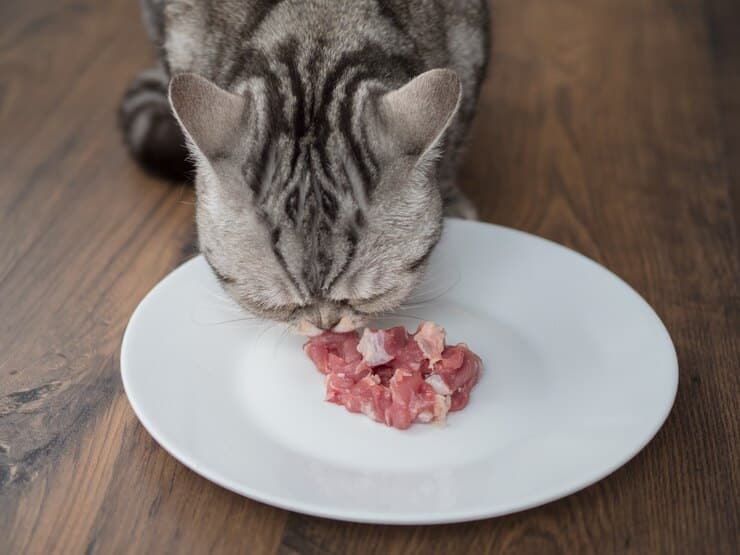
Raw feeding has intrigued cat owners globally, raising the question: Can cats eat raw chicken? As natural diets reflecting feline ancestors grow popular, raw chicken stands out. However, feeding raw meat isn’t as simple as serving it uncooked. Understanding the benefits, risks, and safe preparation methods is crucial. Before offering raw chicken to your cat, learn the essentials to ensure you’re making safe, informed decisions for your feline’s health and well-being.


Can Cats Eat Raw Chicken?


Yes, cats can eat raw chicken. Their digestive systems are built for processing raw meat, as they are obligate carnivores. In the wild, felines consume small animals, bones, organs, and all. Raw chicken offers essential nutrients like protein, taurine, and moisture. But this doesn’t mean tossing any supermarket chicken into their bowl is risk-free. You should first ask yourself: Can you give cats raw chicken that is safe, fresh, and properly prepared? The answer to Can Cats Eat Raw Chicken? hinges on how you source and handle it.


What Is a Raw Food Diet for Cats?


A raw food diet typically includes raw muscle meat, bones, and organs. The principle is to replicate the diet of wild cats as closely as possible. This might mean feeding raw chicken thighs, hearts, livers, and necks. Advocates argue that such a diet supports a cat’s evolutionary needs, offering high moisture, low carbohydrates, and bioavailable nutrients. Before you feed cat raw chicken this way, you need to ensure the diet is nutritionally balanced. Simply offering chicken breast, for example, can lead to nutrient deficiencies.  
So when asking Can you give cats raw chicken? It's important to include a variety of parts, not just one type of meat.


Is Chicken Good for Cats?


Chicken is excellent for cats in many ways. It’s a lean protein rich in amino acids like taurine, which is vital for heart health, vision, and reproduction. It also provides phosphorus and B vitamins such as niacin and B6. When you feed cat raw chicken, you’re delivering unprocessed nutrition closer to what their wild ancestors thrived on. Raw chicken can also be easier to digest for some cats compared to heavily processed commercial foods, potentially improving coat health, energy levels, and even stool quality. However, it’s essential to source high-quality, fresh chicken to reduce the risk of harmful bacteria like Salmonella or Campylobacter. Always practice safe handling and hygiene when preparing raw meals. That said, feeding raw chicken alone (without other organs or bone) can cause imbalances in calcium, vitamins, and minerals. Therefore, when asking Can Cats Eat Raw Chicken? regularly, remember that variety and balance are key. A well-formulated raw diet should include bones, organs, and supplements to meet all nutritional needs, ensuring long-term health and wellbeing.


Related Posts: How to Choose a Good Cat Food


The Raw Chicken Diet Debate


Raw feeding stirs strong opinions. Proponents claim benefits like shinier coats, better dental health, and improved digestion. On the other hand, many veterinarians express concerns about bacterial contamination. According to experts (similar to the insights Purina shares), pathogens like Salmonella and Campylobacter in raw chicken can affect both cats and humans. If your handling and hygiene aren’t impeccable, risks rise. When asking Can Cats Eat Raw Chicken?, it’s not just about the cat, it’s about the safety of everyone in the household. Consulting a veterinarian knowledgeable in feline nutrition is essential before you feed cat raw chicken consistently.


Raw Chicken for Hydration


Raw Chicken for Hydration


One often-overlooked benefit of raw diets is moisture content. Raw chicken is about 70% water, compared to 10% in dry kibble. Feeding raw chicken can help maintain your cat’s hydration, reducing the risk of urinary tract issues. Cats naturally have a low thirst drive; they get much of their water from prey. Thus, when you feed cat raw chicken, you’re mimicking how nature intended cats to hydrate.


Raw Chicken and Weight Management


High-protein, low-carb diets help many cats maintain optimal body weight. Obesity is a growing concern, and raw chicken offers satiating protein without filler carbohydrates. If you’re considering Can you give cats raw chicken to help with weight management, the answer is often yes, with proper portion control and supervision. However, excessive fat intake from skin-on cuts can contribute to weight gain, so trimming excess fat might be advisable when you feed cat raw chicken regularly.


Related Posts: Why is My Kitten Not Eating


Risks of Feeding Cats Raw Chicken


Let’s be clear: Can Cats Eat Raw Chicken? Yes. But can cats get sick from eating raw chicken? Also yes, if precautions aren’t taken. The major risks include bacterial contamination (Salmonella, Campylobacter, E. coli), parasite transmission (Toxoplasma gondii), and nutritional imbalances. A cat’s short digestive tract and highly acidic stomach give them some defense against bacteria, but this isn’t foolproof. Cats with compromised immune systems (elderly, kittens, pregnant, or sick cats) are more vulnerable. Another often ignored risk is cross-contamination in your kitchen, which can endanger humans. These risks are why some veterinarians and pet nutritionists caution against feeding raw diets without expert guidance.


How to Start Feeding Your Cat Raw Chicken


Transition slowly. Begin by mixing small amounts of raw chicken into your cat’s regular food. Increase the proportion gradually over 1-2 weeks. This minimizes digestive upsets. Monitor for signs like diarrhea, vomiting, or lethargy. Consulting your vet is crucial before you feed cat raw chicken long term, especially for cats with pre-existing conditions or kittens.


How to Safely Prepare Raw Chicken for Cats


If you’re asking How to prepare raw chicken for cats? The key is hygiene!  
Freezing chicken for at least 72 hours is not a guaranteed method to kill all potential parasites. Always thaw in the refrigerator. Meticulously washing hands, utensils, and surfaces is essential, and stainless steel bowls are preferable to plastic due to their less porous nature. When considering 'Can you give cats raw chicken?' safely, these preparation steps help minimize risks but do not eliminate them entirely. Consulting with a veterinarian or feline nutritionist about a balanced raw food diet is crucial for your cat's health and safety.


Related Posts: Is Royal Canin Grain Free?


How Much Raw Chicken Can Cats Eat?


The general guideline is 2–4% of your cat’s ideal body weight per day, split into two meals. For a 4 kg cat, this equals about 80–160 grams daily. Always balance raw chicken with organs (about 10%) and bone (around 10%). A diet of only chicken meat lacks calcium and micronutrients. Feeding cat raw chicken exclusively, without supplements or variety, can lead to deficiencies. Consult a feline nutritionist to tailor the diet.


Can Cats Eat Raw Chicken Bones?


Yes,, soft bones like chicken wings, necks, or drumettes are safe and even beneficial. They provide calcium and help clean teeth naturally. Never feed cooked bones, they splinter and cause choking or internal damage. If you feed cat raw chicken bones, supervise closely to avoid gulping hazards.


Can Cats Eat Raw Chicken Liver?


Yes, in small amounts. Liver is nutrient-dense with vitamin A, copper, and iron. Overfeeding can cause vitamin A toxicity. Generally, liver should make up no more than 5–10% of the total diet. When asking Can Cats Eat Raw Chicken?, remember liver is a supplement, not the main dish.


Related Posts: Why Do Cats Wag Their Tails?


Can Cats Eat Raw Chicken Neck?


Absolutely. Raw chicken necks offer calcium and dental benefits through gnawing. They’re soft enough to be chewed safely. When introducing necks, supervise carefully. Start with small, manageable pieces when you feed cat raw chicken necks for the first time.


Can Kittens Eat Raw Meat?


Kittens can eat raw meat, but caution is critical. Their immune systems are immature, making them more vulnerable to bacteria. A raw diet must be carefully balanced to meet the needs of growing kittens. Always consult a veterinarian before you feed cat raw chicken to kittens.


Other Safe Foods for Cats


Other Safe Foods for Cats


Besides chicken, cats can safely eat raw turkey, rabbit, and small amounts of raw lamb or beef. Variety ensures nutritional balance, helping provide different amino acids, vitamins, and minerals essential for optimal feline health. Turkey and rabbit are excellent lean options, while lamb and beef offer richer flavors and nutrients like iron and zinc. Always introduce new proteins gradually to monitor for allergies or digestive upsets. Never feed raw pork (high parasite risk) or raw fish frequently (risk of thiamine deficiency and mercury exposure). Always consider food safety and handling, including freezing meat beforehand to kill parasites. Before you experiment, ask: Can you give cats raw chicken or other meats safely in your home? Consult with a veterinarian or pet nutritionist to create a balanced raw feeding plan that meets your cat’s specific needs. Ensure proper hygiene, clean utensils, and fresh meat sourcing to minimize risks. A thoughtfully prepared raw diet can promote shinier coats, healthier teeth, and better digestion, provided it’s done responsibly and knowledgeably.


Related Posts: Understanding Cat Body Language


Explore Our Cat Food Brands


If balancing a raw diet feels overwhelming, consider commercial raw food brands formulated to meet feline nutritional needs. Explore our high-quality cat food offerings at Cheetah Pets. These products make feeding raw safer and more convenient.


FAQ


What if my cat ate a little raw chicken?


If it was fresh and clean, most healthy cats will digest it without issue. Monitor for digestive upset.


Is it better for cats to eat raw or boiled chicken?


Boiled chicken is safer from bacteria but loses some nutrients through cooking. Raw offers more nutrients if handled safely.


What raw meat can cats eat?


Chicken, turkey, rabbit, small amounts of beef or lamb. Avoid raw pork and too much raw fish.


How to prepare raw chicken for cats?


Freeze, thaw in fridge, clean hands and surfaces thoroughly, serve fresh portions promptly.


Can Cats Eat Raw Bacon?


Not recommended, too high in fat, salt, and preservatives harmful to cats.


Can Cats Eat Raw Fish?


Occasionally, but not frequently due to enzyme (thiaminase) that destroys vitamin B1.


Can cats get sick from eating raw chicken?


Yes, if contaminated or poorly handled. Ensure strict hygiene.


Can Cats Eat Raw Pork?


No, pork carries a higher parasite risk and is discouraged.


Can Kittens Eat Raw Meat?


Yes, but only with vet guidance and carefully balanced nutrition.

View Also: Baby Powder Cat Litter

On this Page

Can Cats Eat Raw Chicken?arrowWhat Is a Raw Food Diet for Cats?arrowIs Chicken Good for Cats?arrowThe Raw Chicken Diet DebatearrowRaw Chicken for HydrationarrowRaw Chicken and Weight ManagementarrowRisks of Feeding Cats Raw ChickenarrowHow to Start Feeding Your Cat Raw ChickenarrowHow to Safely Prepare Raw Chicken for CatsarrowHow Much Raw Chicken Can Cats Eat?arrowCan Cats Eat Raw Chicken Bones?arrowCan Cats Eat Raw Chicken Liver?arrowCan Cats Eat Raw Chicken Neck?arrowCan Kittens Eat Raw Meat?arrowOther Safe Foods for CatsarrowExplore Our Cat Food BrandsarrowFAQarrowWhat if my cat ate a little raw chicken?arrowIs it better for cats to eat raw or boiled chicken?arrowWhat raw meat can cats eat?arrowHow to prepare raw chicken for cats?arrowCan Cats Eat Raw Bacon?arrowCan Cats Eat Raw Fish?arrowCan cats get sick from eating raw chicken?arrowCan Cats Eat Raw Pork?arrowCan Kittens Eat Raw Meat?arrow

Explore Our latest Blogs

Litter Box Issues: Tips & Tricks for a Happier Cat

Litter Box Issues: Tips & Tricks for a Happier Cat

Dealing with Litter Box Issues is a common concern for many cat owners, especially when their pets suddenly stop using the litter box or show unusual behavior. These situations can be stressful, but in most cases, they can be solved through proper care and simple daily habits. Regular cleaning, choosing high quality unscented litter, and placing the box in a quiet and comfortable location all play an important role in maintaining healthy routines. Most Litter Box Issues are related to hygiene, environmental changes, or stress, which means they can often be prevented with the right setup. By understanding your cat’s needs and providing a clean and secure environment, you can reduce Litter Box Issues and ensure a happier, healthier life for your pet.

The Detective Work: Why Is It Happening?

When a cat not using litter box suddenly becomes a problem, it is important to understand the real reason behind it. Many litter box issues happen because of stress, changes in routine, dirty boxes, or discomfort. Sometimes, when a cat stopped using litter box, it may be trying to tell you something is wrong. Checking your cat’s environment and providing high quality supplies from an Online Pet Shop in Dubai can help solve the problem early.

Litter Box Location

Choosing the right place for the litter box is very important when a cat doesn’t use litter box as expected. Cats need privacy and calm when using their box, so placing it in a loud or crowded area can make them feel stressed and uncomfortable. A quiet and easy to reach spot, along with clean and high quality cat litter, helps your cat feel safe and relaxed. When the box is in the right location, many litter box issues can be avoided, and your cat is more likely to develop healthy and consistent habits.

Hardware & Texture: Finding the “Purr-fect” Fit

Some cats stop using the litter box simply because it does not feel comfortable for them. If the box is too small, too high, or rough on their paws, your cat may avoid it. When a cat not using litter box shows this behavior, it is often a sign that something about the setup is bothering them. Using soft, dust free cat litter and adding a clean cat litter mat can help your cat feel more relaxed and secure. With the right box and texture, many litter box issues can be solved, and your cat will feel happy using the box again.

Maintenance: Keeping It “Hotel Grade” Clean

Keeping the litter box clean plays a big role in your cat’s daily comfort. When the box is dirty or smells bad, many cats will simply refuse to use it, which often leads to a cat stopped using litter box situation. Scooping waste every day and choosing high quality options like Bentonite Cat Litter Lemon helps keep odors under control and makes the space more inviting. A fresh and tidy litter area helps prevent many litter box issues and makes your cat feel safe, relaxed, and cared for.

Also read: 5 Effective Strategies for How to Reduce Litter Tracking

Retraining & Positive Reinforcement

When your cat doesn’t use litter box anymore, it is important to stay calm and patient. Punishing your cat will only create fear and make the problem worse. Instead, focus on encouraging good behavior with gentle praise, small treats, and extra attention. Using calming options like lavender scent cat litter can also help reduce anxiety and make your cat feel more comfortable. With time, consistency, and care, most litter box issues can be solved naturally, helping your cat regain healthy habits and confidence.

Also read: Multi Cat Household Tips

FAQs

My cat suddenly stopped using the box. Should I go to the vet?

If your cat stopped using litter box suddenly, it may be a sign that something is wrong with their health. Cats often change their bathroom habits when they feel pain or discomfort, especially in cases of urinary infections or digestive problems. These medical issues can easily lead to ongoing litter box issues if they are not treated early. Visiting a trusted veterinarian and getting advice from reliable sources like Cheetah Pets can help you understand the problem and choose the right solution for your cat’s comfort and well being.

How many litter boxes do I actually need for two cats?

The general rule is one box per cat plus one extra. This helps prevent competition and stress. Having enough boxes reduces litter box issues and supports cats that are not using litter box because of sharing problems.

Why does my cat poop next to the box but not in it?

When your cat chooses to go next to the litter box instead of inside it, this usually means they are uncomfortable with the current setup. The box may be dirty, too small, or unpleasant to use, which often leads to common litter box issues. Many cats are sensitive to texture and smell, so switching to a softer and gentle option like Baby Powder Cat Litter can make a big difference. Improving comfort and cleanliness helps your cat return to healthy habits and prevents future litter box problems.

Can I use scented litter to hide the smell?

Light scented litter can help keep the area fresh, but strong perfumes may easily bother your cat. Many cats have sensitive noses, and when the smell is too strong, it can lead to cat doesn’t use litter box behavior. This is one of the common causes of ongoing litter box issues in many homes. Choosing mild, natural, and low fragrance litter helps your cat feel comfortable and encourages regular and healthy litter box habits.

How do I get the smell of cat urine out of my carpet for good?

Use enzyme based cleaners that break down urine bacteria. Cleaning quickly prevents repeated marking and reduces future litter box issues caused by lingering smells.

My cat kicks litter everywhere. Are top-entry boxes a good idea?

Top entry litter boxes are a great option for keeping your home clean and organized. They help reduce scattered litter and prevent mess around the box, especially for active cats. Many pet owners choose this design to control odor and improve hygiene, which helps reduce ongoing litter box issues. Using a top entry box can encourage better habits and create a more comfortable space for both you and your cat.

Also read: Best litter box setup: Tips & Hacks

what is bentonite cat litter? What Pet Owners Need to Know

what is bentonite cat litter? What Pet Owners Need to Know

If you’ve ever asked yourself, what is bentonite cat litter?, you’re not the only one. A lot of pet owners see it written on the bag but aren’t quite sure what makes it different. In simple terms, it’s a natural clay that absorbs moisture really well and forms solid clumps which makes litter box cleaning much easier.

So, what is bentonite cat litter? It’s a litter that reacts fast when your cat uses the box. The liquid gets absorbed instantly and turns into firm clumps you can scoop out in seconds. That means less odor, less mess, and a cleaner, fresher space for both you and your cat.

Now you probably have a better idea of what is bentonite cat litter? It’s a straightforward, practical option that keeps your cat comfortable and makes everyday cleanup quicker and hassle-free.

The Clumping Cat Litter Advantage

Most cat owners choose bentonite for one simple reason it clumps fast and holds its shape. As soon as liquid hits the granules, it forms firm, scoopable clumps. So instead of dumping the whole litter box, you just remove the waste. It saves time and keeps the box cleaner day after day.

That’s why many pet owners searching for the Best clumping cat litter for 45°C Dubai heat lean toward bentonite. In extreme heat, strong clumping helps stop moisture from spreading and keeps odors under control longer.

Take a look at any Online Pet Shop In Dubai, and you’ll see plenty of options from Bentonite Cat Litter Lemon to Baby Powder Cat Litter, plus scented varieties like cat litter bentonite lavender scent 5kg from brands such as Cheetah Pets. There are different sizes too, whether you want the easy-to-handle bentonite cat litter 5kg or the more economical bentonite cat litter 20kg for long-term use.

Managing “The Stink” in the Desert Heat: Odor Control Secrets

Heat makes odors stronger, and litter boxes are no exception. In hot climates, waste breaks down faster, so smells can build up quickly if the litter doesn’t absorb moisture properly.

That’s where bentonite really helps. It absorbs liquid quickly and forms tight clumps that trap moisture, giving odors less room to spread. It’s one of the reasons people comparing options, especially in searches like Bentonite vs. Tofu litter: which controls smell better?, often notice that clay clumping litter manages odors more effectively in high temperatures.

Scented options can also help keep indoor spaces smelling fresher. Some cat owners prefer the light citrus scent of Bentonite Cat Litter Lemon, while others go for softer powdery fragrances like Baby Powder Cat Litter or floral choices such as cat litter bentonite lavender scent 5kg.

The Dust Dilemma: Protecting Feline and Human Lungs

Dust is a common concern when choosing cat litter, especially with clay options. Fine particles can lift into the air while pouring or scooping, which may bother sensitive cats or people at home.

Understanding the bentonite cat litter meaning helps explain why. Bentonite is a natural clay that absorbs moisture and clumps quickly, but its fine texture can also create dust if poured too fast or handled roughly. So when people ask what is bentonite litter, they’re also asking how it behaves day to day.

Tracking often comes with dust too. Small granules stick to paws and spread around the house, which is why many owners search How to stop cat litter from tracking on apartment floors, especially in smaller spaces.

Quality and grain size make a difference. Brands like Cheetah Pets focus on refining their litter to help reduce excess dust. Handling also matters. A bentonite cat litter 5kg bag is easier to pour with control, while a bentonite cat litter 20kg bag may need slower handling to avoid airborne particles.

If you check any Online Pet Shop In Dubai, you’ll find many options. Some focus on scent, like Bentonite Cat Litter Lemon, Baby Powder Cat Litter, or cat litter bentonite lavender scent 5kg, while others focus more on texture to help limit dust and tracking.

In very hot conditions, many people searching Best clumping cat litter for 45°C Dubai heat also want low-dust performance. And when comparing materials, questions like Bentonite vs. Tofu litter: which controls smell better? often come up alongside concerns about air quality and everyday comfort.

Also read: Multi Cat Household Tips: How to Keep Peace and Harmony at Home

Kitten Safety: When to Start Using Clumping Litter

Many new cat owners wonder when kittens can safely start using clumping litter. The challenge is that very young kittens are naturally curious. While they’re still learning, they may taste or play with the litter, which isn’t suitable with clumping types.

To understand why, it helps to know the bentonite cat litter meaning. Bentonite is a natural clay that absorbs moisture quickly and forms firm clumps. That’s what makes it so effective for cleaning, but also why it’s not recommended for very small kittens. When people ask what is bentonite litter, they’re often trying to understand both how it works and when it’s safe to use.

Most vets suggest waiting until kittens are fully litter trained and no longer exploring everything with their mouths. Once they’re older and using the litter box properly, clumping litter becomes a much easier option for odor control and daily care.

Also read: Litter Box Issues: Tips & Tricks for a Happier Cat

FAQs

Can I flush “natural” clay litter down the toilet in the UAE?

No, it’s not recommended. Bentonite expands and forms heavy clumps when wet, which can block pipes and damage plumbing. Even if a product is labeled “natural,” that doesn’t mean it’s safe to flush. The safer option is to seal used litter in a bag and dispose of it with regular waste.

Why does my cat track clay “sand” all over the house?

Tracking happens when small litter granules stick to your cat’s paws and get carried outside the box. It’s especially common with finer clay textures. To reduce the mess, use a litter mat, choose slightly larger granules, and keep the litter box clean and dry. Many people searching How to stop cat litter from tracking on apartment floors find that simple setup changes help a lot.

How often should I replace the entire box of bentonite?

If you scoop daily, a full litter change is usually needed every few weeks, depending on how many cats use the box. Over time, tiny particles and trapped odors build up even with regular cleaning. When clumps stop forming well or smells don’t go away, it’s time to replace all the litter.

Also read: Best litter box setup: Tips & Hacks
 

Science Behind Cat Litter Odor Control

The Science Behind Cat Litter Odor Control: Understanding How to Choose the Right Products

Choosing the right product isn’t about going for the most expensive one. It’s about what actually makes your day smoother. Take cat litter odor control for example. It’s not just about hiding smells. It’s about opening your door and not thinking twice about the air you’re breathing.

Once you pay attention to what you’re buying, you start noticing the difference. What actually works? What lasts? What saves you effort? Whether it’s everyday essentials or cat litter odor control, you just want something reliable. No stress. No second guessing.

At the end of the day, it’s about comfort. And when your home feels fresh, especially with the right cat litter odor control, you feel calmer, lighter, and more in control of your space.

Why Cat Litter Odor Happens

If you have a cat at home, you already know how this goes. The room smells fine… until it doesn’t. Even when you clean every day, odors somehow creep back in. It usually begins with moisture sitting in the litter and mixing with bacteria. After a while, that turns into ammonia, and that is where the sharp smell starts.

That is why choosing the right cat litter odor control solution makes a real difference. Most pet owners begin looking for a dependable cat litter smell solution the moment they notice the smell lingering in the air. The truth is simple: without regular care and the right product, maintaining a truly odor free litter box is not easy.

How Cat Litter Controls Odor

Good litter is not just about absorption. It keeps everything contained. Clumping formulas, especially bentonite-based types, soak up liquid quickly and lock odor inside firm, compact clumps.

If you are checking an Online Pet Shop in Dubai, you will see odor control highlighted again and again. That is not random. Strong absorption is what makes cat litter odor control effective. When clumping and moisture control are weak, smells do not stay in the box. They escape, and you notice it almost immediately.

Types of Cat Litter and Their Odor Control Performance

Not all litter delivers the same results, and most cat owners realize that fast. Some options are created to be the best cat litter for odor control, while others focus more on texture or fragrance.

Bentonite litter stands out for a reason. It creates firm clumps and helps manage odor efficiently. Choices like Bentonite Cat Litter Lemon or cat litter bentonite lavender scent 5kg combine strong absorption with a light, pleasant scent. If you have more than one cat, it makes sense why many people look for the best litter for multi cat odor control. More cats simply mean more odor to handle.

For those who prefer stocking up, sizes such as bentonite cat litter 5kg, bentonite cat litter 20kg, or even 30kg cat litter are practical and budget-friendly. They work especially well in active, multi-cat homes.

Key Ingredients That Improve Odor Control

When choosing litter, take a quick look at the ingredients. What’s inside really matters. Activated carbon, baking soda, and high-quality bentonite clay all help improve cat litter odor control and keep smells under control for longer.

Scented options like Baby Powder Cat Litter can add a soft, clean fragrance on top of good absorption. But scent alone will not fix the issue. What truly makes a difference is strong clumping and proper moisture locking. That is what brings a product closer to the best cat litter for odor control.

How to Choose the Best Cat Litter for Odor Control

Start with your own situation. Look at your home and your cat’s routine. Do you have one cat or more? Is the litter box sitting in a tight apartment space? These little details can change what works best for you.

If you are unsure where to begin, visiting Cheetah Pets Supplies can make things easier. You can check out different formulas and sizes and choose what suits your setup. Pay attention to products that clearly mention odor control performance, strong clumping, and long-lasting freshness.

Many pet parents type in “best cat litter for odor control” or “cat litter odor control tips” before making a choice. Reading reviews and starting with smaller packs is often the simplest way to see what truly fits your space.

Common Mistakes That Make Litter Smell Worse

A very common mistake? Not scooping every day. Even high-quality litter cannot do its job if waste sits there for hours. Another thing people overlook is the litter level. Too little in the box means less absorption and faster odor buildup.

Some rely only on fragrance and forget that clumping is what really controls the mess. If you want an odor free litter box, good litter and regular cleaning have to work together. That is what actually makes a difference in cat litter odor control.

Expert Tips to Maximize Cat Litter Odor Control

Set the litter box in a spot with decent airflow. It may sound simple, but it helps more than you think. Scoop it daily, and change the litter completely based on how often it is used.

If you have multiple cats, go for formulas labeled as the best litter for multi cat odor control. They are built to handle heavier use without giving up on performance. You can also try different options like Bentonite Cat Litter Lemon or cat litter bentonite lavender scent 5kg to see what works best in your home.

At the end of the day, consistency is what keeps cat litter odor control on track. Following a few practical cat litter odor control tips can make a clear difference in how fresh your space feels.

Future Innovations in Cat Litter Odor Control Technology

The market keeps moving. New formulas are always showing up, each one promising better absorption, firmer clumps, and freshness that holds up longer.

Brands are working to create options that genuinely perform as the best cat litter for odor control, focusing on neutralizing odors instead of just masking them. The goal is simple: improve cat litter odor control in a way that makes daily life easier for pet owners.

Also read: Dog Training Essentials: A Step by Step Guide

Conclusion

Keeping your home fresh should not feel like hard work. With the right product and a steady routine, odor control becomes part of your day, not a problem you keep fighting.

You can browse trusted picks through your preferred Online Pet Shop in Dubai, from Bentonite Cat Litter Lemon and Baby Powder Cat Litter to larger sizes like bentonite cat litter 5kg, bentonite cat litter 20kg, or 30kg cat litter. You can also visit Cheetah Pets to explore more options made for strong cat litter odor control and a truly odor free litter box at home.

Also read: Litter Box Issues: Tips & Tricks for a Happier Cat

FAQs

What causes cat litter box odor?

That strong smell usually comes from ammonia. It forms when urine sits in the litter and mixes with bacteria. If the space lacks ventilation or the box is not cleaned regularly, the odor builds up quickly.

Which type of cat litter controls odor best?

Clumping bentonite litter is a popular choice for a reason. It is often considered the best cat litter for odor control because it absorbs moisture fast and seals odor before it spreads.

How does clumping litter reduce smell?

Clumping litter gathers waste into firm clumps. By locking in moisture, it keeps the smell contained instead of letting it circulate in the room.

Is scented cat litter better for odor control?

A light fragrance can help at first, but scent alone is not enough. Strong absorption and reliable clumping are what really manage odor over time.

How often should cat litter be changed to prevent odor?

Scoop daily to keep things under control. Then replace all the litter every few weeks, depending on how many cats are using the box and how heavily it is used.

Also read: What is bentonite cat litter? What Pet Owners Need to Know