


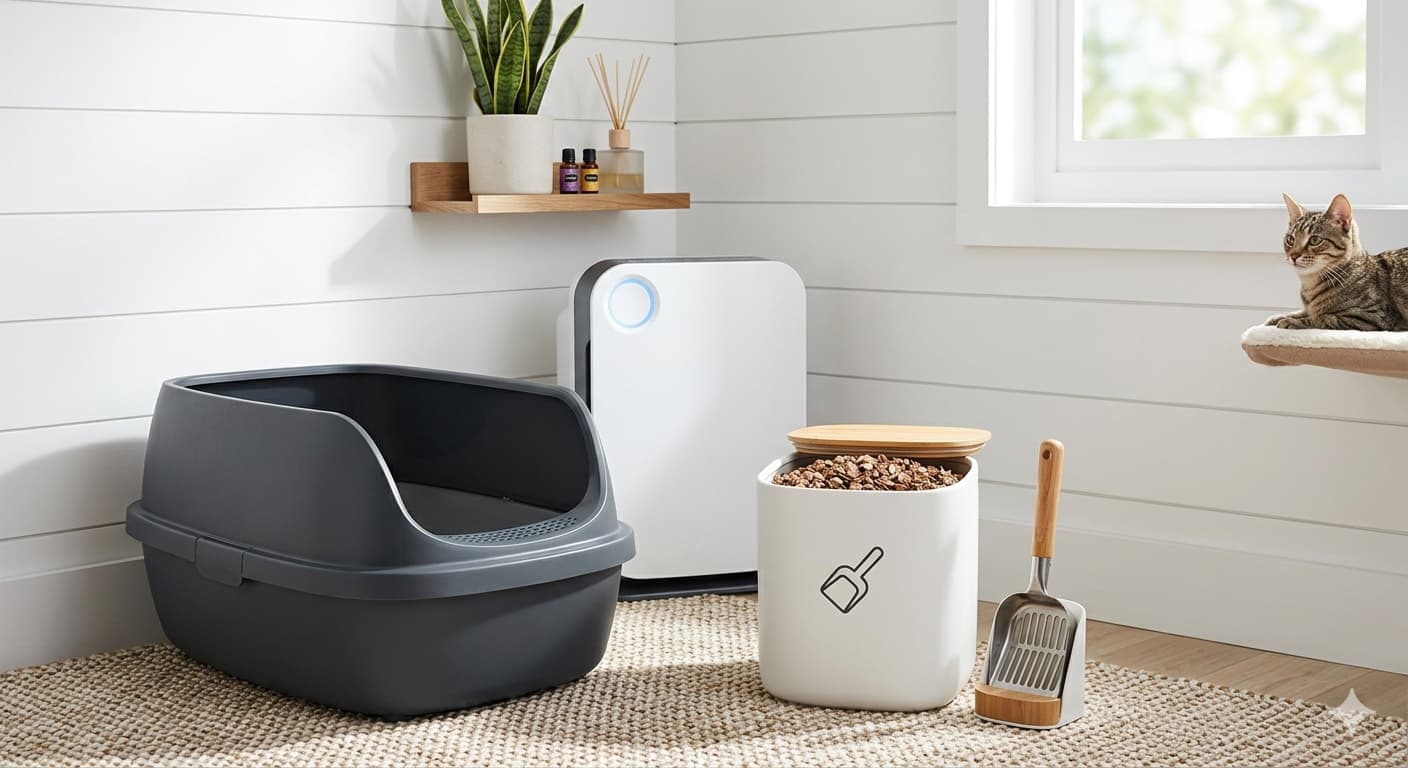
A litter box problem rarely begins with the litter box itself ، it begins when the smell spreads, the floor feels dusty, or cleaning starts taking more time than it should. When you step into your home, you should not be greeted by the harsh scent of ammonia. Most pet parents try to mask this issue with heavy chemical perfumes, but that is simply a temporary fix for a broken system. Real comfort happens when you manage your daily routine with cleaner, easier, and more reliable products.
To build a fresh home environment, you must stop relying on superficial fixes. You need a daily mechanism that stops odor at its source before it can spread into your furniture and common spaces ، this means shifting your focus from hiding the smell to understanding why it happens. True cleanliness with indoor pets is achieved by establishing small, consistent habits that prevent waste accumulation.
When your daily tools work properly, maintaining your household becomes entirely stress-free. Choosing high-quality resources from a dedicated provider like Cheetah Pets Supplies ensures your home remains welcoming for both your guests and your pets. By improving your foundational setup, you can turn a frustrating chore into a simple, predictable routine.
Why Does Cat Litter Smell?
Before you can establish an effective defense system, you must understand the science behind the odor. When you are looking for ways on how to stop cat litter smell, you are directly fighting the natural breakdown of bacterial waste. Urine contains urea, which quickly transforms into ammonia gas when left exposed to oxygen and moisture ، this chemical reaction is accelerated in closed apartments where fresh air circulation is limited.
This specific problem affects every multi-pet household and apartment owner who balances a busy lifestyle with animal care. You should focus on neutralizing this reaction when the sharp scent becomes noticeable immediately after your cat steps out of the tray. However, you should avoid using aggressive industrial detergents to clean the plastic pan, because left-behind chemical scents can easily offend your cat's sensitive nose and cause litter box avoidance. The specific detail that makes odor control successful is selecting a base material that naturally locks in moisture within seconds of contact.
Read also: How to Care for Newborn Puppies
Choose the Right Cat Litter
Your choice of base material is the single most critical factor in your home hygiene framework. Using generic, non-clumping clay allows urine to pool at the bottom of the tray, creating a permanent breeding ground for foul odors ، this is why investing in the Best cat litter for odor control is the fastest way to stabilize your environment. Natural bentonite clay is highly recommended because it forms solid, easily removable structures upon contact with liquids.
- This approach is ideal for cat owners who want to minimize daily maintenance time and eliminate liquid pooling.
- Choose a scented variety when you want an extra layer of active freshness that releases a clean aroma during use.
- Avoid highly artificial granular varieties if your cat has sensitive paws or respiratory sensitivities.
- The detail that makes this choice better is pairing your solid base with a specialized cat litter mat to catch loose grains before they spread across your clean floors.
For households that prefer a crisp, familiar scent, utilizing a premium Baby Powder Cat Litter provides a gentle barrier that masks sour odors without overwhelming your living spaces. Alternatively, switching to a high-quality Bentonite Cat Litter Lemon variant offers an instant burst of citrus freshness that counteracts the heavy aroma of animal waste. If you prefer a calming, floral environment, implementing a cat litter bentonite lavender scent 5kg bag allows you to test how effectively natural botanicals can refresh your specific room layout. Learning how to prevent cat litter smell starts with choosing a material that seals away moisture before bacteria can multiply.
Scoop the Litter Box Daily
The secret to a fresh home is not a massive weekly cleaning session, but rather the execution of a simple two-minute daily habit. Allowing waste to sit inside the tray for multiple days gives bacteria the time they need to compromise the surrounding clay. When you commit to scooping the box at least once every single day, you are actively removing the source of the problem before it can develop.
This disciplined habit is essential for busy professionals who cannot afford to let odors build up while they are away at work. You should scoop your box every morning or evening to maintain a predictable, hygienic environment. Avoid skipping days even when the box appears relatively clean, because hidden pockets of moisture can still release gas underneath the surface. The detail that makes this habit easier is keeping a high-quality scoop and a small disposal bin directly next to the station. Establishing this quick routine is the most reliable method when exploring how to stop litter box smell over a long period.
Read also: how to make cat litter last longer
Clean the Entire Litter Box Regularly
Even with diligent daily scooping, microscopic waste particles will eventually stick to the walls and bottom of the plastic container. Over time, the plastic itself can absorb odors through tiny scratches caused by your cat's claws ، this is why you must perform a complete empty and wash of the entire unit on a regular basis.
You should perform this deep clean when you notice that the plastic still smells sour even after you have put in completely fresh clay. Avoid using products containing ammonia for this chore, because ammonia is a component of cat urine and will actually attract your cat back to mark the spot. The detail that makes your deep clean most effective is soaking the empty plastic pan in warm water and mild dish soap for fifteen minutes before scrubbing. When you refill the dry tray, opening a fresh bentonite cat litter 5kg bag ensures that your cat returns to a perfectly sanitary, odor-free station that supports their natural instincts. This thorough process is a core pillar of knowing how to stop cat litter smell permanently.
Use the Right Number of Litter Boxes
When multiple cats share a single waste station, the system will naturally break down due to overuse. Cats are territorial animals, and forcing them to use an overcrowded box leads to stress, behavioral problems, and excessive odor buildup. The standard rule for a successful household is to always provide one box per cat, plus an extra one for the home.
This setup is highly suited for multi-pet households where cats spend their entire day indoors. You should choose to add a new tray when you notice your pets queuing up or using alternative corners of the house. Avoid placing all the boxes in a single line within the same room, because your cats will view that setup as just one large station rather than separate private areas. The detail that makes this distribution work best is separating the locations across different quiet zones of your apartment to reduce territorial tension and concentrate waste evenly.
Also read: Why Your Cat Refuses to Use The Litter Box and How to Fix It
Improve Litter Box Placement
The location of your pet station plays a massive role in how effectively odors travel through your living spaces. Tucking a box away into a tiny, unventilated closet might seem like a good way to hide it, but this actually concentrates the smell into a dense cloud of stagnant air. When your cat opens the door or enters the space, that trapped odor escapes forcefully into your home.
- This strategy is perfect for apartment renters who need to maximize their limited floor plan without sacrificing air quality.
- Choose a placement in an open hallway or a room with steady air movement to allow natural dissipation.
- Avoid placing the tray near large glass windows that receive direct afternoon sunlight, as heat intensifies the smell.
- The detail that makes placement better is ensuring the station is far away from your cat's feeding bowls, as they will reject a box that is too close to their food.
Finding the perfect spot is a crucial step when learning how to keep litter box from smelling up the house. When air flows naturally over the tray, it keeps the clay dry and prevents moisture from hanging in the atmosphere.
Control Humidity and Ventilation
High indoor humidity levels can prevent your premium clay from drying out properly after use. In warm coastal environments like Dubai, ambient moisture in the air can soften hard clumps, causing them to break apart during maintenance. Managing the climate around your pet station is essential for keeping your absorbent materials working at peak efficiency.
You should use a small dehumidifier or an air purifier near the station during the humid summer months to maintain a crisp environment. Avoid placing the box in damp bathrooms where shower steam constantly wets the surface of the clay. The detail that makes ventilation control highly successful is selecting an open-top tray design rather than a hooded box, because hoods trap moisture inside and create a miserable experience for your pet. When you master air management, you are executing the best practices for how to prevent litter box smell before it can affect your daily comfort.
Recognize When Odor Indicates a Health Problem
Sometimes, a sudden and overwhelming change in waste odor has nothing to do with your cleaning routine or your choice of clay. If your cat's stool suddenly becomes unusually foul or their urine carries a sweet, pungent scent, it could be an early indicator of an underlying medical issue.
You should monitor these changes closely if your pet's bathroom habits alter alongside a shift in their energy levels or water consumption. Avoid ignoring a dramatic change in odor by simply adding more scented products to the box. The detail that makes your observation better is checking if your cat is digesting their food properly by inspecting the consistency of their waste. Providing high-quality nutrition like Royal Canin digestive formulas can significantly reduce stool odor by improving your pet's gut health, which solves the problem from the inside out.
Natural Ways to Reduce Cat Litter Smell
If you want an extra layer of protection without introducing artificial chemicals into your home, natural additives are an excellent choice. Simple household ingredients can work alongside your premium clay to neutralize acidic gases before they rise into the air.
Using a thin layer of pure sodium bicarbonate at the very bottom of the clean plastic tray acts as a reliable safety net for catching rogue liquids. This natural method is highly suited for homes with young kittens or nursing mothers where chemical sprays are strictly prohibited. You should choose this approach when looking for the Best ways to eliminate litter box odor without spending a fortune on synthetic deodorizers. The detail that makes this natural addition work best is mixing it thoroughly with the base layer so it stays evenly distributed.
Common Mistakes That Make Litter Boxes Smell Worse and Best Practices
Many well-meaning pet parents accidentally worsen their household odors by falling into predictable trap routines. Understanding what to avoid is just as important as knowing what steps to execute for long-term domestic hygiene.
- Mistake: Using deep layers of non-clumping clay that absorb liquid without forming removable solids.
- Best Practice: Maintaining a consistent 3-to-4 inch depth of premium bentonite clay to ensure liquids never touch the plastic bottom.
- Mistake: Delaying the purchase of fresh supplies until your current bag is completely empty.
- Best Practice: Buying wholesale value bundles like a bentonite cat litter 20kg box or a 30kg cat litter pack to guarantee you always have fresh material ready for a complete change.
Investing in large value sizes ensures you never run out of supplies during a busy week. This strategic approach keeps your home fresh and your budget under control.
Conclusion
Pet care becomes easier when the everyday products work properly. Managing household odors is not about finding a magic trick, it is about choosing reliable materials and maintaining a simple, stress-free routine. When you equip your home with high-absorption clay and practical accessories, you protect your living space from unwanted smells. If you are ready to simplify your weekly routine and secure the best hygiene products for your pets, visit our comprehensive Online Pet Shop in Dubai today to explore our full range of fresh solutions.
FAQs
How do I stop my cat litter box from smelling?
You stop the odor by scooping waste daily, keeping a consistent 3-to-4 inch depth of high-quality clumping clay, and ensuring the box is placed in a well-ventilated area rather than a cramped space.
Why does my cat litter smell so bad even after cleaning?
The odor remains because the plastic pan itself may have absorbed bacteria through deep claw scratches, or you are using a non-clumping material that allows urine to collect invisibly at the bottom of the container.
How often should I completely change cat litter?
You should completely empty, wash, and refill the entire tray once every two to four weeks when using a premium clumping bentonite product, depending on how many cats use the station.
What type of cat litter controls odor best?
Natural clumping bentonite clay options provide the most reliable odor control because they rapidly dehydrate waste and form solid, scoopable clusters that seal away liquids instantly.