


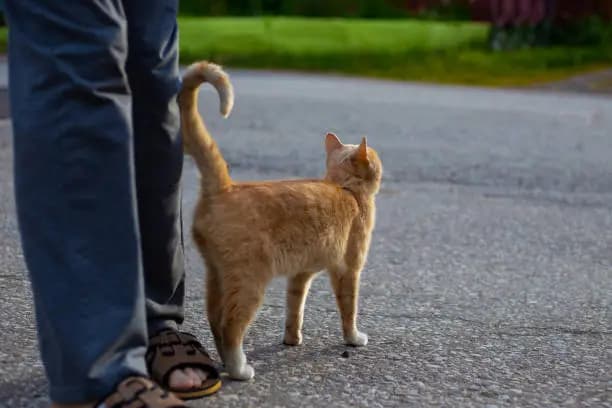
Cats are known for their mysterious behavior, especially when it comes to tail movements. Unlike dogs, whose wagging tails often signal joy, cats use tail gestures in more complex and subtle ways. You might find yourself wondering, Why do cats wag their tails? The truth is, feline tail movements can signal anything from happiness and curiosity to annoyance or discomfort. To better care for your feline friend, it’s essential to decode this unique form of communication.
Why Do Cats Wag Their Tails?
If you’ve asked yourself, Why do cats wag their tails?, you’re not alone. Many cat owners misinterpret this behavior as a sign of happiness, similar to dogs. However, cats wag their tails for a wide variety of emotional reasons. Their tails serve as a powerful tool for communication, especially when vocalization isn’t enough. Whether your cat is annoyed, excited, focused, or feeling affectionate, the tail can reveal everything. Learning how to read it helps deepen your bond with your cat.
Understanding Cat Tail Language
Cats communicate a lot through subtle changes in body language, and the tail plays a starring role. If you’re aiming to improve your connection with your cat, start by observing tail position and movement. A straight-up tail typically signals confidence or a friendly mood. A twitching tail might indicate irritation or high focus. This is part of understanding cat body language, which extends far beyond meows or purrs.
So, why does a cat wag its tail? Often, it’s to let you know how it feels in that moment. Unlike humans who rely on verbal expression, cats prefer using their bodies, especially their tails, to communicate emotion, intention, and alertness.
What Does a Cat’s Tail Wag Mean?
When asking why do cats wag their tails, it’s important to understand that not all wags are created equal. Here’s a breakdown of what different types of tail movements typically mean:
- Slow Wagging: A slow side-to-side wag often means your cat is irritated or unsure. If you’re petting them, it might be time to stop.
- Quick Flicking: Rapid flicks often indicate annoyance or over-stimulation. This is a common reaction when they’ve had enough interaction.
- Swishing: A wide, aggressive swish may be a sign of frustration or anger, especially if paired with flattened ears.
- Vibrating Tail: A tail that trembles while held upright could signify excitement, such as when you return home or offer food.
- Puffed-up Tail: A fluffed-up tail, usually during play or conflict, is a defense mechanism. It signals fear or aggression.
Each variation answers the question why do cats move their tails in a slightly different way. The more you observe, the better you’ll understand the context behind each movement.

Different Types of Cat Tail Wagging & What They Mean
To fully understand the answer to Why Do Cats Wag Their Tails, it’s important to break down the different ways cats move their tails and what each gesture typically means. Below are some of the most common types of cat tail wagging, along with what they’re likely trying to tell you in each situation.
1. Gentle Twitch at the Tip
If your cat is lying down and gently twitching the tip of its tail, it’s often a sign of mild irritation or focused attention. This is one of the most common behaviors you’ll see when asking, why do cats wag their tails while lying down? It could mean they’re thinking, annoyed, or simply observing something with great interest.
2. Sharp Flicking
A sharp flick of the tail often answers the question, why do cats flick their tails? This behavior typically signals agitation. It’s a warning that your cat may scratch or bite if the annoying behavior continues. It can happen during overstimulation, especially while petting.
3. Upright Vibrating Tail
Cats sometimes approach you with their tails straight up and vibrating slightly. This usually indicates excitement or affection. It’s a positive response and often seen during greetings.
4. Low Wagging Tail
If your cat’s tail is low and wagging slowly, this can be a sign of fear or submission. It’s the opposite of an upright tail and should alert you to a potential stressor in the environment.
5. Tail Wrapped Around the Body
A cat sitting with its tail wrapped tightly around its body is trying to comfort itself or protect its core. This is often seen in shy or anxious cats.
Knowing the context helps answer why does a cat wag its tail and improves how you interact with your pet.
Why Do Cats Wrap Their Tails Around You?
One of the sweetest behaviors is when cats wrap their tails around your arm, leg, or another cat. This tail gesture is a sign of affection and companionship. Just as humans use hugs to show love, cats use tail wrapping to mark trust and closeness. If you’ve ever wondered, why do cats wag their tails and then wrap them around you, know that it’s likely their way of bonding.
This action can also serve a practical purpose, cats have scent glands in their tails. By wrapping their tails around you, they may be marking you as part of their territory. It’s both an emotional and instinctive behavior.
See Also: Cat Litter Mat Large
When to Worry About Your Cat’s Tail Behavior
Not all tail wagging is harmless. Sometimes, changes in tail movement patterns can indicate medical issues or emotional distress. If your cat suddenly starts wagging its tail excessively, hiding, or acting aggressively, it might be time to consult a vet.
Unusual tail wagging accompanied by limping, sensitivity to touch, or lack of appetite could suggest an injury or underlying issue. When wondering why do cats move their tails unusually or excessively, always consider a medical evaluation if the behavior feels out of character.
How to Read Your Cat’s Body Language Better
Learning how to interpret tail movements is just one part of understanding cat body language. Look at the whole picture: ear position, vocalizations, posture, and eye dilation also give clues about how your cat is feeling.
For example:
- Ears forward + upright tail = friendly and curious.
- Flattened ears + swishing tail = stressed or angry.
- Dilated pupils + twitching tail = overstimulated or in hunting mode.
Incorporating these observations into your daily interaction helps you respond more appropriately to your cat’s needs and improve your bond. You’ll also find many helpful insights through resources like Cheetah Pets cat care tips, which can guide you on better feline communication techniques.
See Also: Baby Powder Scented Cat Litter
FAQs
Why do cats flick their tails when you pat them?
This often means your cat is overstimulated. What starts as pleasant petting may become too much. Flicking is their polite way of saying “I need a break.” Ignoring this sign may lead to a scratch or bite.
Why do cats wag their tails while purring?
While purring is often a sign of contentment, tail wagging may indicate conflicting emotions. Your cat might be relaxed but still alert or slightly irritated. It’s a subtle reminder to pay attention to more than just the purr.
Why do cats wag their tails when play fighting?
By understanding cat body language you need to know that during play fighting, cats are in high-energy, simulated hunting mode. The wagging tail indicates excitement and arousal. It’s part of the game, but watch for signs if play turns too aggressive.
Why do cats move the tip of their tail?
Twitching at the tip usually signals focus, such as watching prey or analyzing a new situation. It may also appear when your cat is mildly irritated or unsure about what’s going on.
Do cats wag their tail when they are happy?
Yes, but not always in the way dogs do. A gentle upright tail wag can signal happiness or excitement, especially when greeting you. However, tail wagging in cats is more nuanced and can indicate a range of emotions, from joy to stress.
See Also: Lemon Cat Litter