homeback

Can Cats Eat Raw Chicken?

closehome
Can Cats Eat Raw Chicken?

Can Cats Eat Raw Chicken?

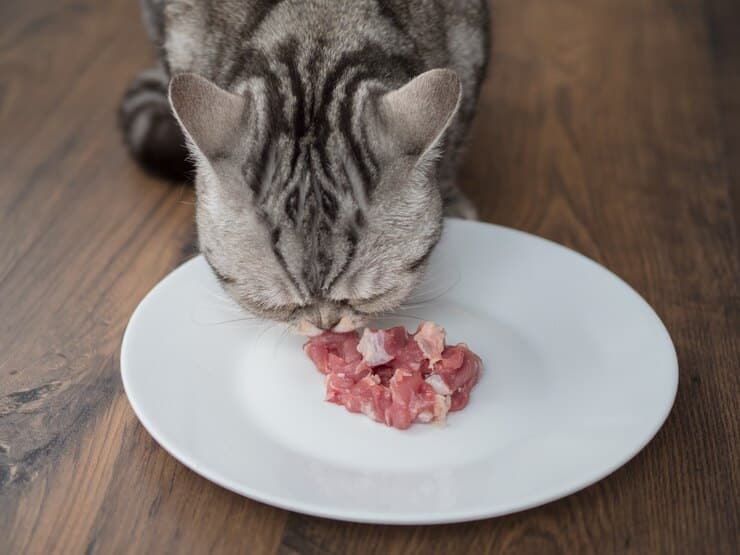
Raw feeding has intrigued cat owners globally, raising the question: Can cats eat raw chicken? As natural diets reflecting feline ancestors grow popular, raw chicken stands out. However, feeding raw meat isn’t as simple as serving it uncooked. Understanding the benefits, risks, and safe preparation methods is crucial. Before offering raw chicken to your cat, learn the essentials to ensure you’re making safe, informed decisions for your feline’s health and well-being.


Can Cats Eat Raw Chicken?


Yes, cats can eat raw chicken. Their digestive systems are built for processing raw meat, as they are obligate carnivores. In the wild, felines consume small animals, bones, organs, and all. Raw chicken offers essential nutrients like protein, taurine, and moisture. But this doesn’t mean tossing any supermarket chicken into their bowl is risk-free. You should first ask yourself: Can you give cats raw chicken that is safe, fresh, and properly prepared? The answer to Can Cats Eat Raw Chicken? hinges on how you source and handle it.


What Is a Raw Food Diet for Cats?


A raw food diet typically includes raw muscle meat, bones, and organs. The principle is to replicate the diet of wild cats as closely as possible. This might mean feeding raw chicken thighs, hearts, livers, and necks. Advocates argue that such a diet supports a cat’s evolutionary needs, offering high moisture, low carbohydrates, and bioavailable nutrients. Before you feed cat raw chicken this way, you need to ensure the diet is nutritionally balanced. Simply offering chicken breast, for example, can lead to nutrient deficiencies.  
So when asking Can you give cats raw chicken? It's important to include a variety of parts, not just one type of meat.


Is Chicken Good for Cats?


Chicken is excellent for cats in many ways. It’s a lean protein rich in amino acids like taurine, which is vital for heart health, vision, and reproduction. It also provides phosphorus and B vitamins such as niacin and B6. When you feed cat raw chicken, you’re delivering unprocessed nutrition closer to what their wild ancestors thrived on. Raw chicken can also be easier to digest for some cats compared to heavily processed commercial foods, potentially improving coat health, energy levels, and even stool quality. However, it’s essential to source high-quality, fresh chicken to reduce the risk of harmful bacteria like Salmonella or Campylobacter. Always practice safe handling and hygiene when preparing raw meals. That said, feeding raw chicken alone (without other organs or bone) can cause imbalances in calcium, vitamins, and minerals. Therefore, when asking Can Cats Eat Raw Chicken? regularly, remember that variety and balance are key. A well-formulated raw diet should include bones, organs, and supplements to meet all nutritional needs, ensuring long-term health and wellbeing.


Related Posts: How to Choose a Good Cat Food


The Raw Chicken Diet Debate


Raw feeding stirs strong opinions. Proponents claim benefits like shinier coats, better dental health, and improved digestion. On the other hand, many veterinarians express concerns about bacterial contamination. According to experts (similar to the insights Purina shares), pathogens like Salmonella and Campylobacter in raw chicken can affect both cats and humans. If your handling and hygiene aren’t impeccable, risks rise. When asking Can Cats Eat Raw Chicken?, it’s not just about the cat, it’s about the safety of everyone in the household. Consulting a veterinarian knowledgeable in feline nutrition is essential before you feed cat raw chicken consistently.


Raw Chicken for Hydration


Raw Chicken for Hydration


One often-overlooked benefit of raw diets is moisture content. Raw chicken is about 70% water, compared to 10% in dry kibble. Feeding raw chicken can help maintain your cat’s hydration, reducing the risk of urinary tract issues. Cats naturally have a low thirst drive; they get much of their water from prey. Thus, when you feed cat raw chicken, you’re mimicking how nature intended cats to hydrate.


Raw Chicken and Weight Management


High-protein, low-carb diets help many cats maintain optimal body weight. Obesity is a growing concern, and raw chicken offers satiating protein without filler carbohydrates. If you’re considering Can you give cats raw chicken to help with weight management, the answer is often yes, with proper portion control and supervision. However, excessive fat intake from skin-on cuts can contribute to weight gain, so trimming excess fat might be advisable when you feed cat raw chicken regularly.


Related Posts: Why is My Kitten Not Eating


Risks of Feeding Cats Raw Chicken


Let’s be clear: Can Cats Eat Raw Chicken? Yes. But can cats get sick from eating raw chicken? Also yes, if precautions aren’t taken. The major risks include bacterial contamination (Salmonella, Campylobacter, E. coli), parasite transmission (Toxoplasma gondii), and nutritional imbalances. A cat’s short digestive tract and highly acidic stomach give them some defense against bacteria, but this isn’t foolproof. Cats with compromised immune systems (elderly, kittens, pregnant, or sick cats) are more vulnerable. Another often ignored risk is cross-contamination in your kitchen, which can endanger humans. These risks are why some veterinarians and pet nutritionists caution against feeding raw diets without expert guidance.


How to Start Feeding Your Cat Raw Chicken


Transition slowly. Begin by mixing small amounts of raw chicken into your cat’s regular food. Increase the proportion gradually over 1-2 weeks. This minimizes digestive upsets. Monitor for signs like diarrhea, vomiting, or lethargy. Consulting your vet is crucial before you feed cat raw chicken long term, especially for cats with pre-existing conditions or kittens.


How to Safely Prepare Raw Chicken for Cats


If you’re asking How to prepare raw chicken for cats? The key is hygiene!  
Freezing chicken for at least 72 hours is not a guaranteed method to kill all potential parasites. Always thaw in the refrigerator. Meticulously washing hands, utensils, and surfaces is essential, and stainless steel bowls are preferable to plastic due to their less porous nature. When considering 'Can you give cats raw chicken?' safely, these preparation steps help minimize risks but do not eliminate them entirely. Consulting with a veterinarian or feline nutritionist about a balanced raw food diet is crucial for your cat's health and safety.


Related Posts: Is Royal Canin Grain Free?


How Much Raw Chicken Can Cats Eat?


The general guideline is 2–4% of your cat’s ideal body weight per day, split into two meals. For a 4 kg cat, this equals about 80–160 grams daily. Always balance raw chicken with organs (about 10%) and bone (around 10%). A diet of only chicken meat lacks calcium and micronutrients. Feeding cat raw chicken exclusively, without supplements or variety, can lead to deficiencies. Consult a feline nutritionist to tailor the diet.


Can Cats Eat Raw Chicken Bones?


Yes,, soft bones like chicken wings, necks, or drumettes are safe and even beneficial. They provide calcium and help clean teeth naturally. Never feed cooked bones, they splinter and cause choking or internal damage. If you feed cat raw chicken bones, supervise closely to avoid gulping hazards.


Can Cats Eat Raw Chicken Liver?


Yes, in small amounts. Liver is nutrient-dense with vitamin A, copper, and iron. Overfeeding can cause vitamin A toxicity. Generally, liver should make up no more than 5–10% of the total diet. When asking Can Cats Eat Raw Chicken?, remember liver is a supplement, not the main dish.


Related Posts: Why Do Cats Wag Their Tails?


Can Cats Eat Raw Chicken Neck?


Absolutely. Raw chicken necks offer calcium and dental benefits through gnawing. They’re soft enough to be chewed safely. When introducing necks, supervise carefully. Start with small, manageable pieces when you feed cat raw chicken necks for the first time.


Can Kittens Eat Raw Meat?


Kittens can eat raw meat, but caution is critical. Their immune systems are immature, making them more vulnerable to bacteria. A raw diet must be carefully balanced to meet the needs of growing kittens. Always consult a veterinarian before you feed cat raw chicken to kittens.


Other Safe Foods for Cats


Other Safe Foods for Cats


Besides chicken, cats can safely eat raw turkey, rabbit, and small amounts of raw lamb or beef. Variety ensures nutritional balance, helping provide different amino acids, vitamins, and minerals essential for optimal feline health. Turkey and rabbit are excellent lean options, while lamb and beef offer richer flavors and nutrients like iron and zinc. Always introduce new proteins gradually to monitor for allergies or digestive upsets. Never feed raw pork (high parasite risk) or raw fish frequently (risk of thiamine deficiency and mercury exposure). Always consider food safety and handling, including freezing meat beforehand to kill parasites. Before you experiment, ask: Can you give cats raw chicken or other meats safely in your home? Consult with a veterinarian or pet nutritionist to create a balanced raw feeding plan that meets your cat’s specific needs. Ensure proper hygiene, clean utensils, and fresh meat sourcing to minimize risks. A thoughtfully prepared raw diet can promote shinier coats, healthier teeth, and better digestion, provided it’s done responsibly and knowledgeably.


Related Posts: Understanding Cat Body Language


Explore Our Cat Food Brands


If balancing a raw diet feels overwhelming, consider commercial raw food brands formulated to meet feline nutritional needs. Explore our high-quality cat food offerings at Cheetah Pets. These products make feeding raw safer and more convenient.


FAQ


What if my cat ate a little raw chicken?


If it was fresh and clean, most healthy cats will digest it without issue. Monitor for digestive upset.


Is it better for cats to eat raw or boiled chicken?


Boiled chicken is safer from bacteria but loses some nutrients through cooking. Raw offers more nutrients if handled safely.


What raw meat can cats eat?


Chicken, turkey, rabbit, small amounts of beef or lamb. Avoid raw pork and too much raw fish.


How to prepare raw chicken for cats?


Freeze, thaw in fridge, clean hands and surfaces thoroughly, serve fresh portions promptly.


Can Cats Eat Raw Bacon?


Not recommended, too high in fat, salt, and preservatives harmful to cats.


Can Cats Eat Raw Fish?


Occasionally, but not frequently due to enzyme (thiaminase) that destroys vitamin B1.


Can cats get sick from eating raw chicken?


Yes, if contaminated or poorly handled. Ensure strict hygiene.


Can Cats Eat Raw Pork?


No, pork carries a higher parasite risk and is discouraged.


Can Kittens Eat Raw Meat?


Yes, but only with vet guidance and carefully balanced nutrition.

View Also: Baby Powder Cat Litter

On this Page

Can Cats Eat Raw Chicken?arrowWhat Is a Raw Food Diet for Cats?arrowIs Chicken Good for Cats?arrowThe Raw Chicken Diet DebatearrowRaw Chicken for HydrationarrowRaw Chicken and Weight ManagementarrowRisks of Feeding Cats Raw ChickenarrowHow to Start Feeding Your Cat Raw ChickenarrowHow to Safely Prepare Raw Chicken for CatsarrowHow Much Raw Chicken Can Cats Eat?arrowCan Cats Eat Raw Chicken Bones?arrowCan Cats Eat Raw Chicken Liver?arrowCan Cats Eat Raw Chicken Neck?arrowCan Kittens Eat Raw Meat?arrowOther Safe Foods for CatsarrowExplore Our Cat Food BrandsarrowFAQarrowWhat if my cat ate a little raw chicken?arrowIs it better for cats to eat raw or boiled chicken?arrowWhat raw meat can cats eat?arrowHow to prepare raw chicken for cats?arrowCan Cats Eat Raw Bacon?arrowCan Cats Eat Raw Fish?arrowCan cats get sick from eating raw chicken?arrowCan Cats Eat Raw Pork?arrowCan Kittens Eat Raw Meat?arrow

Explore Our latest Blogs

How to Choose Cat Litter for Kittens

How to Choose Cat Litter for Kittens

Bringing a kitten home is exciting. But along with the fun comes a few simple responsibilities. One of the first things most new cat owners deal with is the litter box. And of course, many people start wondering how to learn your cat to use the litter box, especially when the kitten is still very small. The good news is that choosing the right litter can make this whole process much easier.

Kittens usually prefer litter that feels soft on their paws. Fine, gentle litter is often a good choice because it’s comfortable for them to step on and easy to dig in. Some owners like clumping litter, while others go with non-clumping. Both can work, but it’s always better to pick something low in dust and safe for young kittens.

It’s also smart to avoid strong scents. What smells nice to us can be overwhelming for a kitten. Unscented litter is usually the safer option because it feels more natural and doesn’t bother their sensitive noses.

Where you place the litter box matters too. Try to keep it somewhere quiet and easy for your kitten to reach. After meals or naps, gently place your kitten in the box so it starts to understand the routine. Small steps like this help when learning how to Learn your cat to use the litter box without stress.

And don’t forget—cats like Things Clean. Scoop the litter daily and keep the box fresh. A clean space makes kittens feel comfortable and more likely to use it. With a little patience and the right setup, how to Learn your cat to use the litter box will quickly become part of your kitten’s natural routine. 

Why Litter Box Training Is Important for Cats

Teaching a cat to use the litter box makes things easier for both you and your pet. Many new owners ask how do kittens learn to use the litter box and wonder if it’s a hard process. In most cases, it isn’t. Kittens usually learn fast, especially when the litter box is comfortable and the litter feels right under their paws.

If you recently brought home a kitten from an Online Pet Shop in Dubai like Cheetah Pets Supplies , you may notice that kittens often try to bury their waste right away. It’s a natural instinct, which is why understanding how do cats learn to use a litter box is often simpler than people expect.

That said, some kittens take a little time to settle in. This is why many owners look up things like how do cats learn to use litter box, especially during the first few days when a kitten may just need some gentle guidance and a bit of patience.

Where to Place the Litter Box

Where you put the litter box matters just as much as the type of litter you use. Pick a spot that’s quiet, calm, and easy for your kitten to reach.

Many people living in smaller homes search how to litter train a cat in a small apartment. The idea is simple—keep the litter box away from food bowls and sleeping areas, but place it somewhere your kitten can still access easily.

One simple trick is to place your kitten in the litter box after meals or naps. Doing this regularly helps your kitten start recognizing the routine and where it should go

Step-by-Step Guide to Litter Training Your Cat

Training a kitten to use the litter box is usually easier than most people expect.

When your kitten first arrives home, show it where the litter box is. Place the kitten in the box a few times during the day so it gets used to the location.

Many owners search how to learn your cat to use the litter box, but it really comes down to patience and routine. If the litter box stays clean and easy for the kitten to reach, most kittens quickly understand where they should go.

Common Litter Box Problems and How to Fix Them

Sometimes a cat suddenly stops using the litter box. When that happens, many owners search things like cat won’t use litter box but no medical issue to figure out what might be wrong.

Often the reason is something simple. The litter box may be dirty, placed in an uncomfortable spot, or the litter itself might not suit the cat.

Another common question is why is my cat suddenly not using the litter box. Changes at home, stress, or even moving to a new place can affect a cat’s behavior for a while.

In many cases, the solution is straightforward—keep the litter box clean and make sure the litter type is comfortable for your cat.

How to Litter Train a Kitten

Most kittens pick up litter training quickly because they naturally try to bury their waste. It’s simply part of their instinct, which makes the process much easier.

When people ask how do kittens learn to use the litter box, the answer usually comes down to routine and consistency.

Place your kitten in the litter box regularly and keep the experience calm. Over time, the kitten will begin using the box on its own.

How to Retrain an Older Cat

Even older cats can pick up new litter habits or return to their routine. That’s why some owners ask how do cats learn to use a litter box when the cat is already grown.

What often helps is keeping the environment calm and making sure the litter box feels comfortable. Sometimes a simple change in litter can help too. Trying options like Baby Powder Cat Litter or another softer type may encourage the cat to start using the box again.

Cleaning and Maintaining the Litter Box

A clean litter box plays a big role in successful litter training. Cats prefer a space that feels fresh and well kept.

Scooping the litter daily and replacing it regularly helps reduce odors and keeps the box comfortable for your cat. Many owners choose bentonite cat litter 5kg or bentonite cat litter 20kg because it’s easier to manage and clean.

When the litter box is maintained properly, cats are more likely to use it consistently and accidents become less common.

Also read: The Science Behind Cat Litter Odor Control

Conclusion

Litter training a kitten is usually simpler than people expect. When the litter is comfortable, the box is placed in the right spot, and it’s kept clean, most kittens quickly figure out where to go.

If you’re looking for litter options like Bentonite Cat Litter Lemon, cat litter bentonite lavender scent 5kg, Baby Powder Cat Litter, or larger packs such as 30kg cat litter, you can explore them at Cheetah Pets, a trusted Online Pet Shop in Dubai.

Choosing the right litter can make the whole training experience easier for both you and your cat.

Also read: what is bentonite cat litter?

FAQs

How long does it take to litter train a cat?

Most kittens learn to use the litter box pretty quickly. For many, it only takes a few days. Others may take a bit longer—sometimes up to a couple of weeks—depending on their age and the environment they’re adjusting to.

Why is my cat not using the litter box?

There are a few possible reasons. The litter box might be dirty, placed in a noisy or uncomfortable area, or the cat could be feeling stressed.

Can older cats be litter trained?

Yes, they can. With patience and a steady routine, older cats are able to learn—or relearn—how to use the litter box.

How do I stop my cat from peeing outside the litter box?

Start by keeping the litter box clean and placing it in a quiet spot. It also helps to make sure the litter type feels comfortable for your cat.

What type of litter is best for kittens?

Kittens usually prefer soft, low-dust litter. Bentonite litter is often a good option because it’s gentle on their paws.

Also read: Litter Box Issues: Tips & Tricks for a Happier Cat

Why Some Puppies Refuse to Use Pee Pads and How to Encourage Good Habits

Why Some Puppies Refuse to Use Pee Pads and How to Encourage Good Habits

If your puppy refuses to pee on the pad, it can feel confusing—and a little frustrating—especially when you’re doing your best to train them. The good news is that many puppies go through this stage while they’re still learning where they’re supposed to go.

Sometimes a puppy refuses to pee on pad simply because the routine is still new to them. Puppies need time, consistency, and gentle guidance to understand what you expect.

If your puppy refuses to pee on the pad, try guiding them to the pad after meals, naps, or playtime, and reward them when they use it. With patience and positive reinforcement, your puppy will gradually build the right habit.

Understanding Why Puppies Avoid Pee Pads

When a puppy refuses to pee on a pad, it usually just means they’re still learning the routine. In the first days of training, it’s normal if a puppy won’t pee on the pad right away. Puppies rely a lot on habit and familiar smells, so it may take a bit of time before they understand where they’re supposed to go.

That’s where Puppy Training Pads help. When the pad stays in the same place and becomes part of your puppy’s daily routine, they gradually start recognizing it as their bathroom spot. 

The Pee Pad May Be in the Wrong Location

Sometimes a puppy refuses to pee on pad simply because of its location. If the pad is in a busy or noisy part of the house, your puppy may avoid it. Most puppies prefer a quiet spot where they can relax and feel safe.

If your puppy won’t pee on pee pad, try moving it to a calmer corner and keep it there consistently. Many pet owners also rely on Disposable Pet Training Pads to keep the area clean while helping their puppy learn the right place to go.

Puppies Often Miss the Pad Due to Size or Placement

If the pad is too small or not placed well, your puppy won’t pee on pad consistently and may end up missing it. Young puppies are still learning control, so accidents can happen while they’re figuring things out.

Using larger Disposable Puppy Pee Pads gives your puppy more space and makes it easier for them to land in the right spot.

Inconsistent Training Confuses Puppies

Puppy training works best with a steady routine. If a puppy refuses to pee on pad, it may be because the schedule keeps changing. Puppies learn faster when they’re guided to the pad at the same key moments—after meals, naps, and playtime.

Keeping a consistent routine, along with dependable Best Puppy Training Pads, helps reinforce the habit and makes the training process smoother.

Your Puppy May Not Recognize the Pad Yet

Sometimes a puppy refuses to pee on a pad simply because they haven’t connected it with bathroom time yet. If your puppy won’t pee on the pee pad, try placing a slightly used pad underneath a fresh one. The scent can help your puppy understand where they’re supposed to go.

You can also explore training products from Cheetah Pets Supplies, which are made to support puppies as they learn this routine.

Too Much Space Can Lead to Accidents

Letting your puppy roam too freely at the start can lead to accidents. If a puppy won’t pee on the pad, they may just wander off and pick another spot in the room. During training, it helps to keep their space limited so they can clearly understand where they’re supposed to go.

Many pet owners also pick up their training supplies from an Online Pet Shop in Dubai, which makes it easy to find the tools they need while building good habits from the beginning.

Some Puppies Prefer Outdoor Potty Training

Some puppies simply prefer going outside. In these cases, a puppy refuses to pee on pad because they’re used to grass or soil when it’s time to go. If your puppy won’t pee on pad, try easing them into it by slowly moving from outdoor breaks to indoor pads.

Using Disposable Reusable Dog Pee Pads can make this transition easier while your puppy adjusts to the new routine.

Pee Pad Quality and Absorbency Matter

Poor-quality pads can make pee pad training frustrating. If the surface feels damp or uncomfortable, your puppy won’t pee on pee pad again and may start avoiding it. Puppies are sensitive to how things feel under their paws, so a dry, comfortable pad really matters.

That’s why many owners go for premium Disposable Puppy Pee Pads. With better absorbency, the pad stays drier and helps your puppy feel comfortable using the same spot again

Positive Reinforcement Works Better Than Punishment

If you’re asking yourself why my puppy won’t pee on the pad, the answer often comes down to how the training is done. Puppies learn best when they feel safe and encouraged—not when they’re punished for accidents.

When it comes to how to train puppy to use pee pads, patience and consistency matter the most. Guide your puppy to the pad regularly, and when they get it right, give them praise or a small treat. Over time, they’ll start linking the pad with a positive experience.

Using reliable Puppy Training Pads also helps by creating a clear, consistent bathroom spot for your puppy, which makes the whole training process smoother.

Also read: Dog Training Essentials: A Step by Step Guide

Common Reasons Puppies Avoid Pee Pads

  • Pad location is noisy

What Happened: Puppy avoids the area

Quick Fix: Move the pad to a quiet corner

  • Pad is too small

What Happened: Puppy misses the pad

Quick Fix: Use larger Disposable Puppy Pee Pads

  • Inconsistent routine

What Happened: Puppy gets confused

Quick Fix: Take them to the pad after meals and naps

  • Puppy prefers outside

What Happened: Puppy looks for grass or soil

Quick Fix: Gradually transition to indoor pads

  • Pad feels wet or uncomfortable

What Happened: Puppy won’t return to the pad

Quick Fix: Use high-absorbency Puppy Training Pads

FAQs

Why does my puppy pee next to the pad instead of on it?

This often happens when the pad is too small, placed in the wrong spot, or your puppy is still learning where to aim. It’s a common part of early training.

How can I encourage my puppy to use pee pads?

Guide your puppy to the pad regularly, especially after meals, naps, and playtime. When they use it correctly, praise them or offer a small reward. Keeping the pad in the same spot also helps.

How long does it take to train a puppy to use pee pads?

It varies, but many puppies begin to understand the routine within a few weeks, especially with consistent guidance.

Should I punish my puppy for not using the pad?

No. Punishment can confuse puppies. Positive reinforcement works better and helps build trust during training.

Why does my puppy shred or chew pee pads?

Puppies sometimes chew pads out of curiosity or boredom. Giving them toys or chewing items can help redirect that behavior.

Can puppies be trained to use pee pads permanently?

Yes. Many small breeds and dogs living in apartments continue using pee pads even as adults.

Also read: How to Choose Cat Litter for Kittens
 

Summer puppy Care Guide for UAE Pet Owners

Summer puppy Care Guide for UAE Pet Owners

Not long ago, many pet owners in the UAE underestimated the challenges of summer.

This puppy care guide is designed to help you navigate the heat while keeping your puppy happy and healthy.

For example, simple adjustments in daily routines can make a huge difference.

Today, the sun shines stronger than ever during the summer months.

Most puppies struggle with high temperatures, which can affect their energy and appetite.

This puppy care guide explains practical tips for hydration, exercise, and skin care.

Over the past few years, pet owners have become more aware of heat-related risks.

At the same time, many puppies are more active during early mornings and late evenings.

Following this puppy care guide can ensure your puppy enjoys summer safely.

In many cases, pet owners worry about sunburns and overheating.

Using light-colored bedding and providing shaded areas can help.

For example, avoid taking your puppy out during peak midday heat.

In reality, keeping a consistent summer schedule consistently benefits both you and your puppy.

Regular water breaks and short walks prevent dehydration.

Summer grooming routines reduce the risk of skin irritations.

Understanding UAE Summer Conditions and Their Impact on Puppies

Understanding how to care for a puppy in UAE summer is crucial because the extreme heat can affect their health. Pet owners in Dubai should know puppy heat protection tips UAE to avoid overheating. Choosing the right Disposable Pet Training Pads can also help keep your puppy comfortable indoors.

Best Ways to Keep Your Puppy Cool at Home

Keeping your puppy cool starts with proper hydration and shaded areas. Using Disposable Puppy Pee Pads can make cleanups easy while keeping your puppy safe. Online stores like Cheetah Pets Supplies offer a variety of Puppy Training Pads that are perfect for summer.

Hydration Tips for Puppies in Hot Weather

Always provide fresh water to prevent dehydration. Using Disposable Reusable Dog Pee Pads can save time during frequent water breaks. Following a puppy care guide week by week can help you monitor your puppy’s water intake effectively.

Safe Outdoor Practices During UAE Summer

Avoid walking your puppy during peak heat hours. Check the pavement before allowing your puppy to walk as puppies can walk in hot weather UAE safely. Learn summer pet care tips UAE to keep your pets safe outdoors.

Summer Grooming Tips for Puppies

Regular grooming reduces heat stress. Use lightweight, breathable bedding, and maintain clean spaces with Best Puppy Training Pads. Your puppy guide will help you decide when grooming is most effective.

Travel and Car Safety Tips for Puppies

Never leave your puppy in a parked car. Use Disposable Pet Training Pads in travel crates to manage accidents. Check how to keep dogs cool in Dubai heat during transport to prevent heatstroke.

Essential Summer Products for Puppy Care

Stock up on essentials like cooling mats, shade tents, and Puppy Training Pads. Trusted sources like Online Pet Shop in Dubai and Cheetah Pets Supplies offer Disposable Puppy Pee Pads and Disposable Reusable Dog Pee Pads for convenience.

Also read: The Science Behind Cat Litter Odor Control: Understanding How to Choose the Right Products

Conclusion

Summer care is vital for puppy health. Follow puppy care guides week by week, use Best Puppy Training Pads, and refer to your puppy guide to ensure your puppy stays safe and happy. Visit Online Pet Shop in Dubai for all your Puppy Training Pads needs today!

Also read: How to Choose Cat Litter for Kittens
 

FAQ

 How hot is too hot to walk a puppy in the UAE?

  • In the UAE, any temperature above 35°C (95°F) is risky for puppies.
  • Pavement and asphalt get extremely hot and can burn their paws.
  • Best walking times are before 8 AM or after 6 PM, always in shade with water available.


Can puppies get heatstroke indoors?

  • Yes, even indoors, especially if air conditioning or fans are weak or off.
  • Room temperatures above 30°C (86°F) with high humidity can cause heatstroke.
  • Always provide good ventilation and cool, fresh water.


How often should I give my puppy water in hot weather?

  • Keep water available at all times, especially if your puppy is active.
  • Puppies may need to drink every 30–60 minutes during extreme heat.
     

What are the first signs of heat exhaustion in puppies?

  • Excessive panting and drooling.
  • Lethargy, weakness, mild vomiting, or diarrhea.
  • If you notice these, move your puppy to a cool place immediately and offer water.
     

How can I protect my puppy’s paws in summer?

  • Avoid walking on hot asphalt; test with your hand or foot first.
  • Use puppy booties or walk on grass or shaded areas.
  • Keep nails trimmed to reduce heat contact with the ground.
     

Do puppies eat less in summer?

  • Yes, many puppies eat less during hot weather due to lower energy needs.
  • Offer smaller, frequent meals and keep food in a cool area.
     

How do I keep my puppy entertained indoors during extreme heat?

  • Use puzzle toys, treat-dispensing toys, or training sessions.
  • Play gentle indoor games and provide cool resting areas.

Rotate toys to keep them mentally stimulated without needing outdoor heat.
Also read: Why Some Puppies Refuse to Use Pee Pads