homeback

Cat Litter Box During Pregnancy

closehome
Cat Litter Box During Pregnancy

Cat Litter Box During Pregnancy

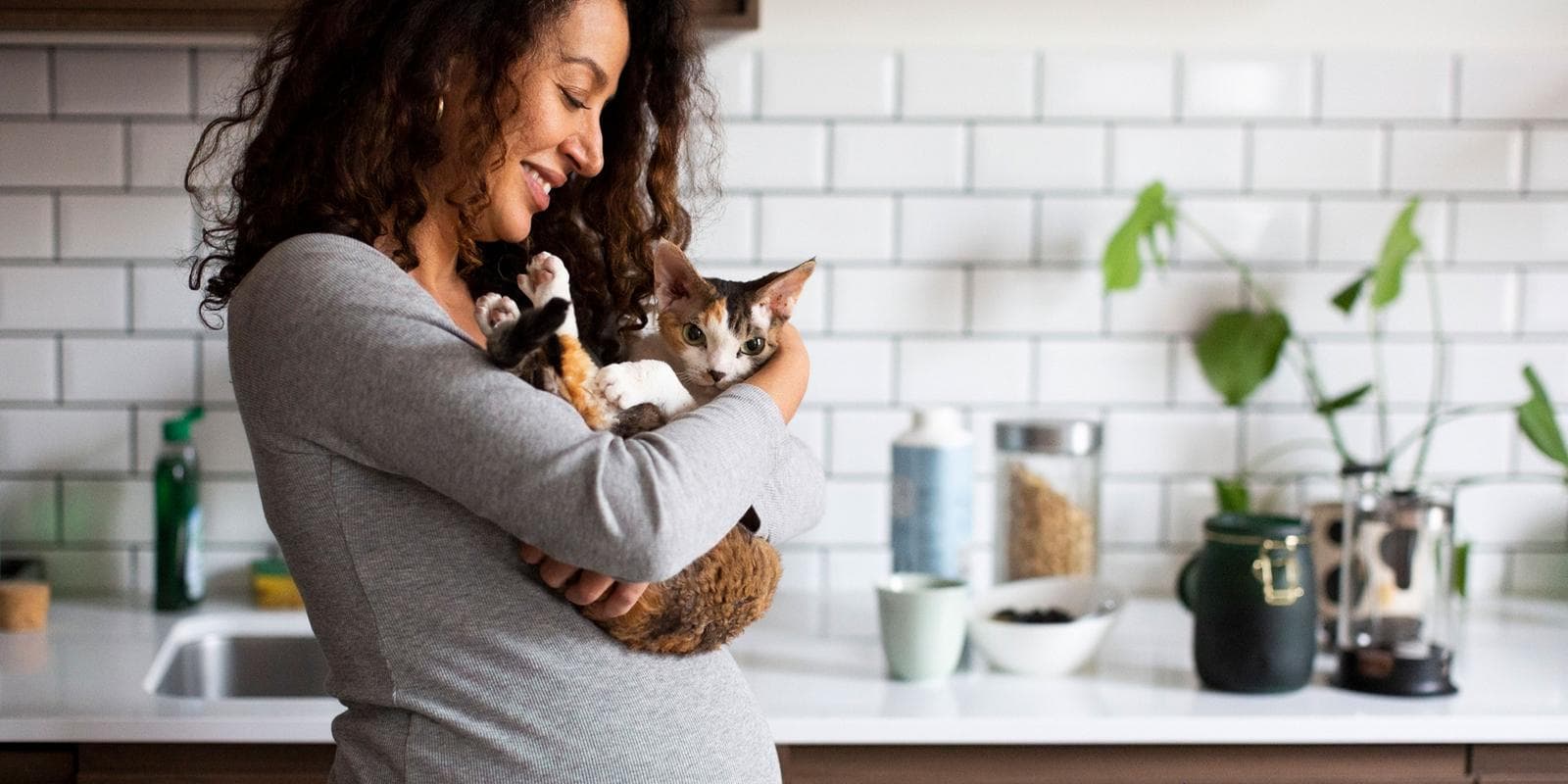
Cats are great companions, even during pregnancy, but cleaning the litter box can pose a real risk due to a parasite called Toxoplasma gondii. This doesn’t mean you need to avoid your cat completely. With the right precautions, like avoiding litter box duties and maintaining hygiene, you can stay safe while still enjoying your bond with your pet. 'Cat Litter Box During Pregnancy' should be approached with caution, but it’s manageable with proper care.


Cat Litter Box During Pregnancy


Handling a cat litter box during pregnancy raises valid concerns, primarily because of the potential exposure to toxoplasmosis. This infection is caused by a parasite found in some cats’ feces, and it can be transmitted to humans through contact with contaminated litter. Pregnant women are especially vulnerable because the parasite can pass through the placenta and affect the developing baby. However, with proper precautions and hygiene, risks can be significantly minimized. You can continue enjoying life with your cat and ensure your baby’s health and safety, too.


Can I Clean Our Cat’s Litter Box While I’m Pregnant?


This is one of the most common questions from cat-loving moms-to-be. Technically, yes, you can clean the cat box during pregnancy, but it’s highly recommended to avoid it if possible. If someone else in the household can take over the responsibility of changing kitty litter while pregnant, that’s the best option. The risk of contracting toxoplasmosis increases the more frequently you come into contact with contaminated feces. However, if you have no alternative, wearing gloves and a face mask, using a long-handled scoop, and washing your hands thoroughly afterward are crucial steps in minimizing the risk.


Also read: Scented or Unscented Cat Litter


How Can I Protect Myself From Toxoplasmosis?


Toxoplasmosis is primarily transmitted through contact with cat feces, undercooked meat, and contaminated soil. Since litter is the most direct source in a household setting, it’s important to take protective measures. If you must deal with the cat litter box during pregnancy, always use disposable gloves and avoid touching your face during the process. Make sure to wash your hands thoroughly with soap and water after each cleaning session. Using non-toxic cat litter that clumps well and locks away moisture can help reduce the likelihood of parasites spreading.


Cat Litter & Pregnancy – The Risks


While the overall risk of contracting toxoplasmosis from cats is relatively low, it’s still a risk worth taking seriously. Not all cats carry the parasite, but those that hunt or eat raw meat are more likely to be infected. The problem arises when you accidentally ingest the parasite usually through unwashed hands after changing litter box while pregnant. Toxoplasmosis during pregnancy can cause miscarriage, stillbirth, or developmental issues in the baby. That’s why it’s important to treat every litter box as a potential hazard and practice caution.


Also read: why do cats wag their tails


Cat Litter & Pregnancy – Safety Tips


There are several ways to reduce the risk of exposure. First, try switching to odor control cat litter that reduces airborne particles and contains waste more effectively. This helps prevent contamination when you’re nearby. Clean the litter box daily, since the parasite doesn’t become infectious until 24 hours after being shed in feces. Make sure the box is well-ventilated and located in an area you can easily sanitize. If your cat is indoor-only and doesn’t eat raw meat, the risk of toxoplasmosis is significantly lower but it’s still a good idea to stay vigilant.


Are There Other Pregnancy Risks Related to Cats?


Beyond the cat box during pregnancy, cats themselves are not a threat. You don’t need to give up your feline friend just because you’re expecting. The primary concern is the litter box and, in some rare cases, exposure to fleas or scratches that could carry other infections. However, toxoplasmosis is by far the most significant concern. With proper hygiene and a few safety precautions, you can safely coexist with your cat and maintain a healthy pregnancy.


Also read: first time cat owner tips


Can You Change the Litter Box During Pregnancy?


If no one else is available to help, you can handle changing the kitty litter while pregnant, but only with strict precautions. Wear gloves and a mask, avoid breathing in dust, and wash thoroughly afterward. It’s best to use non-toxic cat litter made from natural ingredients to reduce exposure to harmful chemicals. A well-sealed litter system can also minimize contact. Remember, the risk increases with prolonged or repeated exposure, so minimizing how often you clean it or finding a temporary helper is ideal.


Do I Have to Get Rid of My Cat?


Absolutely not. There is no reason to rehome your pet just because you’re pregnant. With simple steps, you can safely live with and love your cat throughout your pregnancy. Keep your cat indoors to prevent it from hunting birds or rodents, which are common carriers of toxoplasmosis. Feed it high-quality commercial food such as premium cat food UAE offers, and avoid raw or undercooked meat. This not only keeps your cat healthy but also reduces the risk of infection.


Also read: cat body language


Can My Cat Make Me Sick When I’m Pregnant?


Only under specific circumstances. If your cat is a carrier of Toxoplasma gondii and you have contact with its feces, you could be at risk. But casual contact like petting, cuddling, or playing is perfectly safe. There’s no need to fear your pet. The danger lies in poor hygiene after handling the cat litter box during pregnancy. Following recommended safety measures allows you to safely continue caring for your cat without jeopardizing your health.


Can I Test My Cat for Toxoplasmosis?


Yes, you can have your vet test your cat for toxoplasmosis antibodies. However, even if your cat tests positive, it doesn’t mean it’s shedding the parasite. In fact, most cats only shed the parasite for a few weeks in their lifetime, and typically only after a recent infection. Routine veterinary care, including a safe, balanced diet from reputable online pet shop UAE retailers, helps reduce the risk of your cat becoming infected or a carrier.


Also read: Is Royal Canin Grain Free?


Are Litter Boxes the Only Source of Toxoplasmosis?


No, the parasite can also be found in raw or undercooked meat, unwashed fruits and vegetables, and soil. However, changing litter box while pregnant remains one of the most direct ways pregnant women could come into contact with Toxoplasma gondii in a household. Gardening without gloves or eating undercooked meat can also expose you, so overall food hygiene and cleanliness are just as important. Still, since cats are the only animals that can shed the parasite in their feces, the litter box should be treated with special caution.


What If I Have No One Else to Scoop the Litter Box for Me?


Many expectant mothers live alone or have partners who travel or work long hours. If you’re in that situation, the key is to create a safe litter-cleaning routine. Use gloves, masks, and disinfectants. Place the litter box in a well-ventilated area and choose odor control cat litter to reduce airborne particles. Consider investing in a self-cleaning litter system to minimize direct contact. If you’re sourcing products, look for affordable pet supplies through reliable platforms like Cheetah, which offer safe and hygienic solutions for cat owners.


Also read: Can Cats Eat Popcorn?


Worried About Cat Litter During Pregnancy? Choose Cheetah for Peace of Mind


If you’re concerned about managing your cat litter box during pregnancy, Cheetah is here to help. As a trusted provider of affordable pet supplies, Cheetah offers everything you need to maintain a clean, safe environment for you and your cat from non-toxic cat litter to premium hygiene tools. Their selection of premium cat food UAE customers love ensures your feline stays healthy, reducing the risk of infection. Whether you’re setting up a new litter area or upgrading to safer products, Cheetah provides peace of mind for every expecting cat parent.


FAQ


How close can a pregnant woman be to cat litter?


A pregnant woman can be in the same room as cat litter, but it’s best to avoid prolonged exposure, especially when the litter is being scooped or stirred.


Can I be in the same room as cat litter while pregnant?


Yes, you can, but avoid being present when someone is cleaning it, and always ensure the room is well-ventilated to minimize airborne exposure.


Can you get toxoplasmosis from being near cat litter?


Only if you accidentally ingest the parasite, which is usually caused by poor hand hygiene after cleaning. Just being near litter won’t make you sick.


Is kitty litter good for a pregnant woman?


Kitty litter isn’t dangerous on its own, but contact with contaminated feces can pose a risk. Using non-toxic cat litter and following safety protocols is key.

On this Page

Cat Litter Box During PregnancyarrowCan I Clean Our Cat’s Litter Box While I’m Pregnant?arrowHow Can I Protect Myself From Toxoplasmosis?arrowCat Litter & Pregnancy – The RisksarrowCat Litter & Pregnancy – Safety TipsarrowAre There Other Pregnancy Risks Related to Cats?arrowCan You Change the Litter Box During Pregnancy?arrowDo I Have to Get Rid of My Cat?arrowCan My Cat Make Me Sick When I’m Pregnant?arrowCan I Test My Cat for Toxoplasmosis?arrowAre Litter Boxes the Only Source of Toxoplasmosis?arrowWhat If I Have No One Else to Scoop the Litter Box for Me?arrowWorried About Cat Litter During Pregnancy? Choose Cheetah for Peace of MindarrowFAQarrowHow close can a pregnant woman be to cat litter?arrowCan I be in the same room as cat litter while pregnant?arrowCan you get toxoplasmosis from being near cat litter?arrowIs kitty litter good for a pregnant woman?arrow

Explore Our latest Blogs

How to Choose Cat Litter for Kittens

How to Choose Cat Litter for Kittens

Bringing a kitten home is exciting. But along with the fun comes a few simple responsibilities. One of the first things most new cat owners deal with is the litter box. And of course, many people start wondering how to learn your cat to use the litter box, especially when the kitten is still very small. The good news is that choosing the right litter can make this whole process much easier.

Kittens usually prefer litter that feels soft on their paws. Fine, gentle litter is often a good choice because it’s comfortable for them to step on and easy to dig in. Some owners like clumping litter, while others go with non-clumping. Both can work, but it’s always better to pick something low in dust and safe for young kittens.

It’s also smart to avoid strong scents. What smells nice to us can be overwhelming for a kitten. Unscented litter is usually the safer option because it feels more natural and doesn’t bother their sensitive noses.

Where you place the litter box matters too. Try to keep it somewhere quiet and easy for your kitten to reach. After meals or naps, gently place your kitten in the box so it starts to understand the routine. Small steps like this help when learning how to Learn your cat to use the litter box without stress.

And don’t forget—cats like Things Clean. Scoop the litter daily and keep the box fresh. A clean space makes kittens feel comfortable and more likely to use it. With a little patience and the right setup, how to Learn your cat to use the litter box will quickly become part of your kitten’s natural routine. 

Why Litter Box Training Is Important for Cats

Teaching a cat to use the litter box makes things easier for both you and your pet. Many new owners ask how do kittens learn to use the litter box and wonder if it’s a hard process. In most cases, it isn’t. Kittens usually learn fast, especially when the litter box is comfortable and the litter feels right under their paws.

If you recently brought home a kitten from an Online Pet Shop in Dubai like Cheetah Pets Supplies , you may notice that kittens often try to bury their waste right away. It’s a natural instinct, which is why understanding how do cats learn to use a litter box is often simpler than people expect.

That said, some kittens take a little time to settle in. This is why many owners look up things like how do cats learn to use litter box, especially during the first few days when a kitten may just need some gentle guidance and a bit of patience.

Where to Place the Litter Box

Where you put the litter box matters just as much as the type of litter you use. Pick a spot that’s quiet, calm, and easy for your kitten to reach.

Many people living in smaller homes search how to litter train a cat in a small apartment. The idea is simple—keep the litter box away from food bowls and sleeping areas, but place it somewhere your kitten can still access easily.

One simple trick is to place your kitten in the litter box after meals or naps. Doing this regularly helps your kitten start recognizing the routine and where it should go

Step-by-Step Guide to Litter Training Your Cat

Training a kitten to use the litter box is usually easier than most people expect.

When your kitten first arrives home, show it where the litter box is. Place the kitten in the box a few times during the day so it gets used to the location.

Many owners search how to learn your cat to use the litter box, but it really comes down to patience and routine. If the litter box stays clean and easy for the kitten to reach, most kittens quickly understand where they should go.

Common Litter Box Problems and How to Fix Them

Sometimes a cat suddenly stops using the litter box. When that happens, many owners search things like cat won’t use litter box but no medical issue to figure out what might be wrong.

Often the reason is something simple. The litter box may be dirty, placed in an uncomfortable spot, or the litter itself might not suit the cat.

Another common question is why is my cat suddenly not using the litter box. Changes at home, stress, or even moving to a new place can affect a cat’s behavior for a while.

In many cases, the solution is straightforward—keep the litter box clean and make sure the litter type is comfortable for your cat.

How to Litter Train a Kitten

Most kittens pick up litter training quickly because they naturally try to bury their waste. It’s simply part of their instinct, which makes the process much easier.

When people ask how do kittens learn to use the litter box, the answer usually comes down to routine and consistency.

Place your kitten in the litter box regularly and keep the experience calm. Over time, the kitten will begin using the box on its own.

How to Retrain an Older Cat

Even older cats can pick up new litter habits or return to their routine. That’s why some owners ask how do cats learn to use a litter box when the cat is already grown.

What often helps is keeping the environment calm and making sure the litter box feels comfortable. Sometimes a simple change in litter can help too. Trying options like Baby Powder Cat Litter or another softer type may encourage the cat to start using the box again.

Cleaning and Maintaining the Litter Box

A clean litter box plays a big role in successful litter training. Cats prefer a space that feels fresh and well kept.

Scooping the litter daily and replacing it regularly helps reduce odors and keeps the box comfortable for your cat. Many owners choose bentonite cat litter 5kg or bentonite cat litter 20kg because it’s easier to manage and clean.

When the litter box is maintained properly, cats are more likely to use it consistently and accidents become less common.

Also read: The Science Behind Cat Litter Odor Control

Conclusion

Litter training a kitten is usually simpler than people expect. When the litter is comfortable, the box is placed in the right spot, and it’s kept clean, most kittens quickly figure out where to go.

If you’re looking for litter options like Bentonite Cat Litter Lemon, cat litter bentonite lavender scent 5kg, Baby Powder Cat Litter, or larger packs such as 30kg cat litter, you can explore them at Cheetah Pets, a trusted Online Pet Shop in Dubai.

Choosing the right litter can make the whole training experience easier for both you and your cat.

Also read: what is bentonite cat litter?

FAQs

How long does it take to litter train a cat?

Most kittens learn to use the litter box pretty quickly. For many, it only takes a few days. Others may take a bit longer—sometimes up to a couple of weeks—depending on their age and the environment they’re adjusting to.

Why is my cat not using the litter box?

There are a few possible reasons. The litter box might be dirty, placed in a noisy or uncomfortable area, or the cat could be feeling stressed.

Can older cats be litter trained?

Yes, they can. With patience and a steady routine, older cats are able to learn—or relearn—how to use the litter box.

How do I stop my cat from peeing outside the litter box?

Start by keeping the litter box clean and placing it in a quiet spot. It also helps to make sure the litter type feels comfortable for your cat.

What type of litter is best for kittens?

Kittens usually prefer soft, low-dust litter. Bentonite litter is often a good option because it’s gentle on their paws.

Also read: Litter Box Issues: Tips & Tricks for a Happier Cat

Why Some Puppies Refuse to Use Pee Pads and How to Encourage Good Habits

Why Some Puppies Refuse to Use Pee Pads and How to Encourage Good Habits

If your puppy refuses to pee on the pad, it can feel confusing—and a little frustrating—especially when you’re doing your best to train them. The good news is that many puppies go through this stage while they’re still learning where they’re supposed to go.

Sometimes a puppy refuses to pee on pad simply because the routine is still new to them. Puppies need time, consistency, and gentle guidance to understand what you expect.

If your puppy refuses to pee on the pad, try guiding them to the pad after meals, naps, or playtime, and reward them when they use it. With patience and positive reinforcement, your puppy will gradually build the right habit.

Understanding Why Puppies Avoid Pee Pads

When a puppy refuses to pee on a pad, it usually just means they’re still learning the routine. In the first days of training, it’s normal if a puppy won’t pee on the pad right away. Puppies rely a lot on habit and familiar smells, so it may take a bit of time before they understand where they’re supposed to go.

That’s where Puppy Training Pads help. When the pad stays in the same place and becomes part of your puppy’s daily routine, they gradually start recognizing it as their bathroom spot. 

The Pee Pad May Be in the Wrong Location

Sometimes a puppy refuses to pee on pad simply because of its location. If the pad is in a busy or noisy part of the house, your puppy may avoid it. Most puppies prefer a quiet spot where they can relax and feel safe.

If your puppy won’t pee on pee pad, try moving it to a calmer corner and keep it there consistently. Many pet owners also rely on Disposable Pet Training Pads to keep the area clean while helping their puppy learn the right place to go.

Puppies Often Miss the Pad Due to Size or Placement

If the pad is too small or not placed well, your puppy won’t pee on pad consistently and may end up missing it. Young puppies are still learning control, so accidents can happen while they’re figuring things out.

Using larger Disposable Puppy Pee Pads gives your puppy more space and makes it easier for them to land in the right spot.

Inconsistent Training Confuses Puppies

Puppy training works best with a steady routine. If a puppy refuses to pee on pad, it may be because the schedule keeps changing. Puppies learn faster when they’re guided to the pad at the same key moments—after meals, naps, and playtime.

Keeping a consistent routine, along with dependable Best Puppy Training Pads, helps reinforce the habit and makes the training process smoother.

Your Puppy May Not Recognize the Pad Yet

Sometimes a puppy refuses to pee on a pad simply because they haven’t connected it with bathroom time yet. If your puppy won’t pee on the pee pad, try placing a slightly used pad underneath a fresh one. The scent can help your puppy understand where they’re supposed to go.

You can also explore training products from Cheetah Pets Supplies, which are made to support puppies as they learn this routine.

Too Much Space Can Lead to Accidents

Letting your puppy roam too freely at the start can lead to accidents. If a puppy won’t pee on the pad, they may just wander off and pick another spot in the room. During training, it helps to keep their space limited so they can clearly understand where they’re supposed to go.

Many pet owners also pick up their training supplies from an Online Pet Shop in Dubai, which makes it easy to find the tools they need while building good habits from the beginning.

Some Puppies Prefer Outdoor Potty Training

Some puppies simply prefer going outside. In these cases, a puppy refuses to pee on pad because they’re used to grass or soil when it’s time to go. If your puppy won’t pee on pad, try easing them into it by slowly moving from outdoor breaks to indoor pads.

Using Disposable Reusable Dog Pee Pads can make this transition easier while your puppy adjusts to the new routine.

Pee Pad Quality and Absorbency Matter

Poor-quality pads can make pee pad training frustrating. If the surface feels damp or uncomfortable, your puppy won’t pee on pee pad again and may start avoiding it. Puppies are sensitive to how things feel under their paws, so a dry, comfortable pad really matters.

That’s why many owners go for premium Disposable Puppy Pee Pads. With better absorbency, the pad stays drier and helps your puppy feel comfortable using the same spot again

Positive Reinforcement Works Better Than Punishment

If you’re asking yourself why my puppy won’t pee on the pad, the answer often comes down to how the training is done. Puppies learn best when they feel safe and encouraged—not when they’re punished for accidents.

When it comes to how to train puppy to use pee pads, patience and consistency matter the most. Guide your puppy to the pad regularly, and when they get it right, give them praise or a small treat. Over time, they’ll start linking the pad with a positive experience.

Using reliable Puppy Training Pads also helps by creating a clear, consistent bathroom spot for your puppy, which makes the whole training process smoother.

Also read: Dog Training Essentials: A Step by Step Guide

Common Reasons Puppies Avoid Pee Pads

  • Pad location is noisy

What Happened: Puppy avoids the area

Quick Fix: Move the pad to a quiet corner

  • Pad is too small

What Happened: Puppy misses the pad

Quick Fix: Use larger Disposable Puppy Pee Pads

  • Inconsistent routine

What Happened: Puppy gets confused

Quick Fix: Take them to the pad after meals and naps

  • Puppy prefers outside

What Happened: Puppy looks for grass or soil

Quick Fix: Gradually transition to indoor pads

  • Pad feels wet or uncomfortable

What Happened: Puppy won’t return to the pad

Quick Fix: Use high-absorbency Puppy Training Pads

FAQs

Why does my puppy pee next to the pad instead of on it?

This often happens when the pad is too small, placed in the wrong spot, or your puppy is still learning where to aim. It’s a common part of early training.

How can I encourage my puppy to use pee pads?

Guide your puppy to the pad regularly, especially after meals, naps, and playtime. When they use it correctly, praise them or offer a small reward. Keeping the pad in the same spot also helps.

How long does it take to train a puppy to use pee pads?

It varies, but many puppies begin to understand the routine within a few weeks, especially with consistent guidance.

Should I punish my puppy for not using the pad?

No. Punishment can confuse puppies. Positive reinforcement works better and helps build trust during training.

Why does my puppy shred or chew pee pads?

Puppies sometimes chew pads out of curiosity or boredom. Giving them toys or chewing items can help redirect that behavior.

Can puppies be trained to use pee pads permanently?

Yes. Many small breeds and dogs living in apartments continue using pee pads even as adults.

Also read: How to Choose Cat Litter for Kittens
 

Summer puppy Care Guide for UAE Pet Owners

Summer puppy Care Guide for UAE Pet Owners

Not long ago, many pet owners in the UAE underestimated the challenges of summer.

This puppy care guide is designed to help you navigate the heat while keeping your puppy happy and healthy.

For example, simple adjustments in daily routines can make a huge difference.

Today, the sun shines stronger than ever during the summer months.

Most puppies struggle with high temperatures, which can affect their energy and appetite.

This puppy care guide explains practical tips for hydration, exercise, and skin care.

Over the past few years, pet owners have become more aware of heat-related risks.

At the same time, many puppies are more active during early mornings and late evenings.

Following this puppy care guide can ensure your puppy enjoys summer safely.

In many cases, pet owners worry about sunburns and overheating.

Using light-colored bedding and providing shaded areas can help.

For example, avoid taking your puppy out during peak midday heat.

In reality, keeping a consistent summer schedule consistently benefits both you and your puppy.

Regular water breaks and short walks prevent dehydration.

Summer grooming routines reduce the risk of skin irritations.

Understanding UAE Summer Conditions and Their Impact on Puppies

Understanding how to care for a puppy in UAE summer is crucial because the extreme heat can affect their health. Pet owners in Dubai should know puppy heat protection tips UAE to avoid overheating. Choosing the right Disposable Pet Training Pads can also help keep your puppy comfortable indoors.

Best Ways to Keep Your Puppy Cool at Home

Keeping your puppy cool starts with proper hydration and shaded areas. Using Disposable Puppy Pee Pads can make cleanups easy while keeping your puppy safe. Online stores like Cheetah Pets Supplies offer a variety of Puppy Training Pads that are perfect for summer.

Hydration Tips for Puppies in Hot Weather

Always provide fresh water to prevent dehydration. Using Disposable Reusable Dog Pee Pads can save time during frequent water breaks. Following a puppy care guide week by week can help you monitor your puppy’s water intake effectively.

Safe Outdoor Practices During UAE Summer

Avoid walking your puppy during peak heat hours. Check the pavement before allowing your puppy to walk as puppies can walk in hot weather UAE safely. Learn summer pet care tips UAE to keep your pets safe outdoors.

Summer Grooming Tips for Puppies

Regular grooming reduces heat stress. Use lightweight, breathable bedding, and maintain clean spaces with Best Puppy Training Pads. Your puppy guide will help you decide when grooming is most effective.

Travel and Car Safety Tips for Puppies

Never leave your puppy in a parked car. Use Disposable Pet Training Pads in travel crates to manage accidents. Check how to keep dogs cool in Dubai heat during transport to prevent heatstroke.

Essential Summer Products for Puppy Care

Stock up on essentials like cooling mats, shade tents, and Puppy Training Pads. Trusted sources like Online Pet Shop in Dubai and Cheetah Pets Supplies offer Disposable Puppy Pee Pads and Disposable Reusable Dog Pee Pads for convenience.

Also read: The Science Behind Cat Litter Odor Control: Understanding How to Choose the Right Products

Conclusion

Summer care is vital for puppy health. Follow puppy care guides week by week, use Best Puppy Training Pads, and refer to your puppy guide to ensure your puppy stays safe and happy. Visit Online Pet Shop in Dubai for all your Puppy Training Pads needs today!

Also read: How to Choose Cat Litter for Kittens
 

FAQ

 How hot is too hot to walk a puppy in the UAE?

  • In the UAE, any temperature above 35°C (95°F) is risky for puppies.
  • Pavement and asphalt get extremely hot and can burn their paws.
  • Best walking times are before 8 AM or after 6 PM, always in shade with water available.


Can puppies get heatstroke indoors?

  • Yes, even indoors, especially if air conditioning or fans are weak or off.
  • Room temperatures above 30°C (86°F) with high humidity can cause heatstroke.
  • Always provide good ventilation and cool, fresh water.


How often should I give my puppy water in hot weather?

  • Keep water available at all times, especially if your puppy is active.
  • Puppies may need to drink every 30–60 minutes during extreme heat.
     

What are the first signs of heat exhaustion in puppies?

  • Excessive panting and drooling.
  • Lethargy, weakness, mild vomiting, or diarrhea.
  • If you notice these, move your puppy to a cool place immediately and offer water.
     

How can I protect my puppy’s paws in summer?

  • Avoid walking on hot asphalt; test with your hand or foot first.
  • Use puppy booties or walk on grass or shaded areas.
  • Keep nails trimmed to reduce heat contact with the ground.
     

Do puppies eat less in summer?

  • Yes, many puppies eat less during hot weather due to lower energy needs.
  • Offer smaller, frequent meals and keep food in a cool area.
     

How do I keep my puppy entertained indoors during extreme heat?

  • Use puzzle toys, treat-dispensing toys, or training sessions.
  • Play gentle indoor games and provide cool resting areas.

Rotate toys to keep them mentally stimulated without needing outdoor heat.
Also read: Why Some Puppies Refuse to Use Pee Pads