


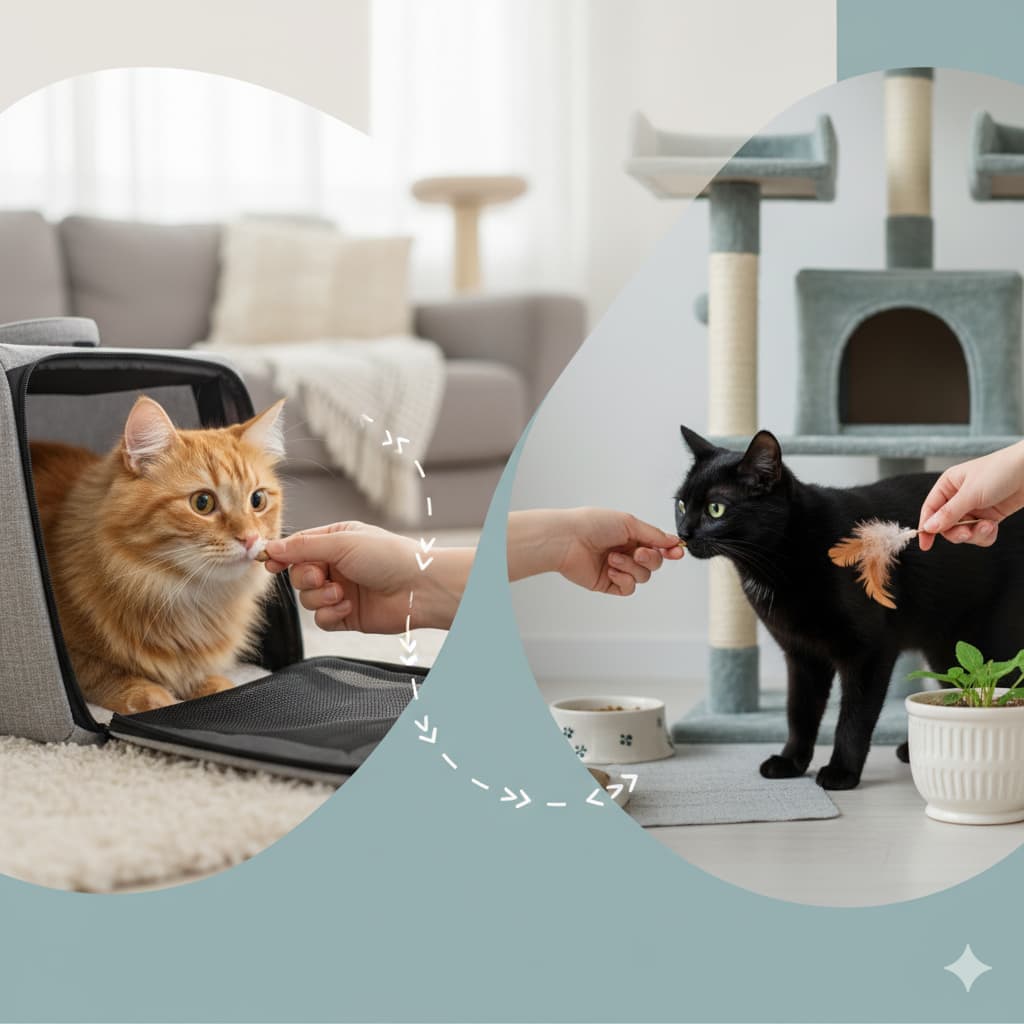
Bringing a new feline into your household is both exciting and delicate. Whether you’re adopting your first kitten or expanding your furry family, introducing a new cat to your home the right way determines how smoothly the transition goes. With patience, planning, and a calm approach, your new cat will soon feel comfortable and secure, and your existing pets will learn to accept their new companion.
Pre-Arrival Preparation: Setting the Stage for Success
Before introducing a new cat to your home, it’s essential to prepare both your space and your mindset. Cats are territorial creatures; sudden changes in their environment can cause stress or defensive behavior. By setting up a welcoming, stress-free environment ahead of time, you help your cat adjust more easily to their new surroundings.
Create a Dedicated Safe Room
Start by designating one quiet room as your new cat’s “safe zone.” This should include food, water, a comfortable bed, toys, and cat litter. A cat litter mat placed under the box will help keep the area tidy and prevent messes. Keeping your new cat in this space for the first few days allows them to adjust without being overwhelmed by the rest of the house.
Gather Essential Supplies
Before introducing a new cat to your home, make sure you have everything your pet will need. That includes food bowls, scratching posts, grooming tools, and enrichment toys. Consider purchasing a Catnip Ball That Sticks to Wall from a trusted Online Pet Shop in Dubai like Cheetah Pets. These toys provide both entertainment and stress relief during the early adjustment period.
Maintain Familiar Scents
Cats rely heavily on smell for comfort. Before your new cat arrives, rub a soft cloth or towel over their body, then place it in shared areas to help other pets become accustomed to the scent. Similarly, allow your new cat to smell blankets or toys from existing pets. This simple scent exchange sets the stage for peaceful introductions later.
Introducing a New Cat to Your Home (The First 2–3 Days)
The first few days are critical when introducing a new cat to your home. This phase should focus on safety, calmness, and gradual exposure. Avoid rushing the process , cats adapt best when allowed to explore at their own pace.
Allow Time for Adjustment
When introducing new cat to home, let your newcomer explore their safe room first. Keep the door closed and avoid loud noises or too many visitors. This environment gives them control over their space and helps reduce anxiety.
Feed and Play on Schedule
Regular feeding times and play sessions help establish trust and routine. Use interactive toys or treat puzzles to encourage exploration and positive associations. A consistent schedule assures your cat that they are safe and cared for.
Begin Scent Swapping Between Cats
If you already have another cat, swap bedding or toys between them after a day or two. This helps each cat recognize the other’s scent before any visual contact occurs. Introducing a new cat to your cat through smell first minimizes aggression or fear later on.
Avoid Forced Meetings
Never push your cats to interact before they’re ready. Introducing a new cat to your home is a process that requires patience. Forcing physical contact can trigger hissing, hiding, or even fights. Allow both cats to initiate interest naturally.
Visual and Controlled Contact
Once your new cat is comfortable in their safe room and both cats are familiar with each other’s scents, it’s time for limited, controlled visual introductions. This step bridges the gap between scent familiarity and shared space.
Start with Doorway Feedings
Place each cat’s food bowl near opposite sides of the closed door. Gradually move the bowls closer over several days until they can eat calmly with only the door separating them. This method links the other cat’s presence with something positive , food. If your resident cat refuses to eat near the door, move the bowl a few feet back and proceed more slowly.
Use a Barrier for First Sightings
After a few successful doorway feedings, open the door slightly or use a baby gate to allow the cats to see each other. Keep sessions short , five to ten minutes , and end on a positive note. Offer treats and praise during each session to reinforce calm behavior.
Observe Body Language Carefully
Look for signs of curiosity versus fear or aggression. Relaxed ears, slow blinking, and gentle tail movements indicate acceptance. On the other hand, flattened ears, growling, or puffed tails mean it’s time to slow down. Reading your cats’ cues during introducing a new cat to your home ensures a safer and more positive integration.
Redirect Tension Through Play
If either cat becomes tense, redirect their focus with a toy like a Catnip Ball That Sticks to Wall. The scent of catnip helps reduce anxiety and encourages playful energy instead of stress. You can find this interactive toy at a trusted Online Pet Shop in Dubai, making it easy to add fun and relaxation to the process.
Monitoring and Full Integration
Once your cats can see each other calmly, it’s time to begin supervised, physical meetings. Full integration takes patience, observation, and consistency.
Supervised Play Sessions
Open the safe room door and let your cats interact under supervision. Keep the sessions short initially, about 10 to 15 minutes. Provide distractions such as wand toys or treats to maintain positive engagement. Continue introducing a new cat to your home by allowing daily sessions that gradually become longer and more relaxed.
Create Multiple Safe Zones
Even after your cats begin cohabitating, ensure that each one has its own resting and hiding spots. Cats value personal space, and respecting that can prevent future tension. A multi-level cat tree or separate sleeping areas can go a long way toward maintaining peace.
Use Familiar Scents to Reassure
After play sessions, exchange bedding or rub each cat with the same towel again. Familiar scents reinforce positive associations. This scent reinforcement is particularly helpful if one cat hides or appears unsure after initial meetings.
Watch for Territorial Behavior
Scratching, spraying, or blocking pathways are signs of dominance. If these appear, separate the cats temporarily and restart the process at an earlier step. It’s better to slow down than risk long-term hostility.
Troubleshooting Common Integration Issues
Even with preparation and patience, problems can arise when introducing a new cat to your home. Understanding common challenges will help you manage them effectively and maintain a peaceful environment.
The New Cat Is Hiding All the Time
It’s normal for cats to hide in the first few days or even weeks after arrival. Do not force them out. Instead, spend quiet time near their hiding spot, speaking softly. Offer treats or gentle play when they emerge. Introducing kitten to new home is especially sensitive, kittens often need extra reassurance before they feel safe.
The Resident Cat Is Aggressive
Aggression from your existing cat is a sign they feel threatened. Separate them and resume scent swapping. Use calming diffusers or natural sprays to ease the tension. Avoid punishment, it can make your resident cat associate the newcomer with negative experiences.
Food Refusal Near the Door
If your older cat refuses to eat near the door during feeding sessions, it means you’re moving too fast. Step back and increase distance until both cats eat comfortably again. Over time, as comfort increases, you can gradually bring the bowls closer.
The Cats Fight During Meetings
If fights occur, separate the cats immediately without yelling or using force. Give them a few days apart before trying again. Reintroduce them through scent and visual stages before attempting physical meetings again. Remember, introducing a new cat to your cat can take weeks or even months, patience is essential.
Litter Box Conflicts
Provide one litter box per cat plus one extra. This prevents competition and accidents. Keep boxes in separate areas so each cat has privacy. Clean daily, the scent of a dirty box can trigger territorial marking.
FAQs
How long will the introduction process take?
The process of introducing a new cat to your home varies by personality. Some cats adjust within a week, while others may take several months. Go at the pace that keeps both cats calm and confident. Rushing usually leads to setbacks.
Should I let the cats “fight it out”?
No, allowing cats to fight can cause long-term fear and aggression. Always separate them at the first sign of hostility. A structured and gradual approach ensures they associate each other with safety, not threat.
What are the best toys or treats to use during supervised visits?
Interactive toys are ideal for redirecting energy during early meetings. The Catnip Ball That Sticks to Wall is a great option, as it encourages play while reducing tension. You can find it through Cheetah Pets, a reliable Online Pet Shop in Dubai. Use small treats as rewards for calm and friendly behavior.
What if my resident cat won’t eat near the door?
This is a common sign that your cat isn’t comfortable yet. Move the food bowls farther apart and progress more slowly. When introducing new cat to home, always prioritize emotional comfort over speed.
What do I do if the new cat is hiding all the time?
Patience is key. Give your new cat quiet time, avoid loud noises, and offer gentle interaction when they come out. Leave food, toys, and a cozy bed nearby. In most cases, hiding decreases as the cat feels more secure in their surroundings.