


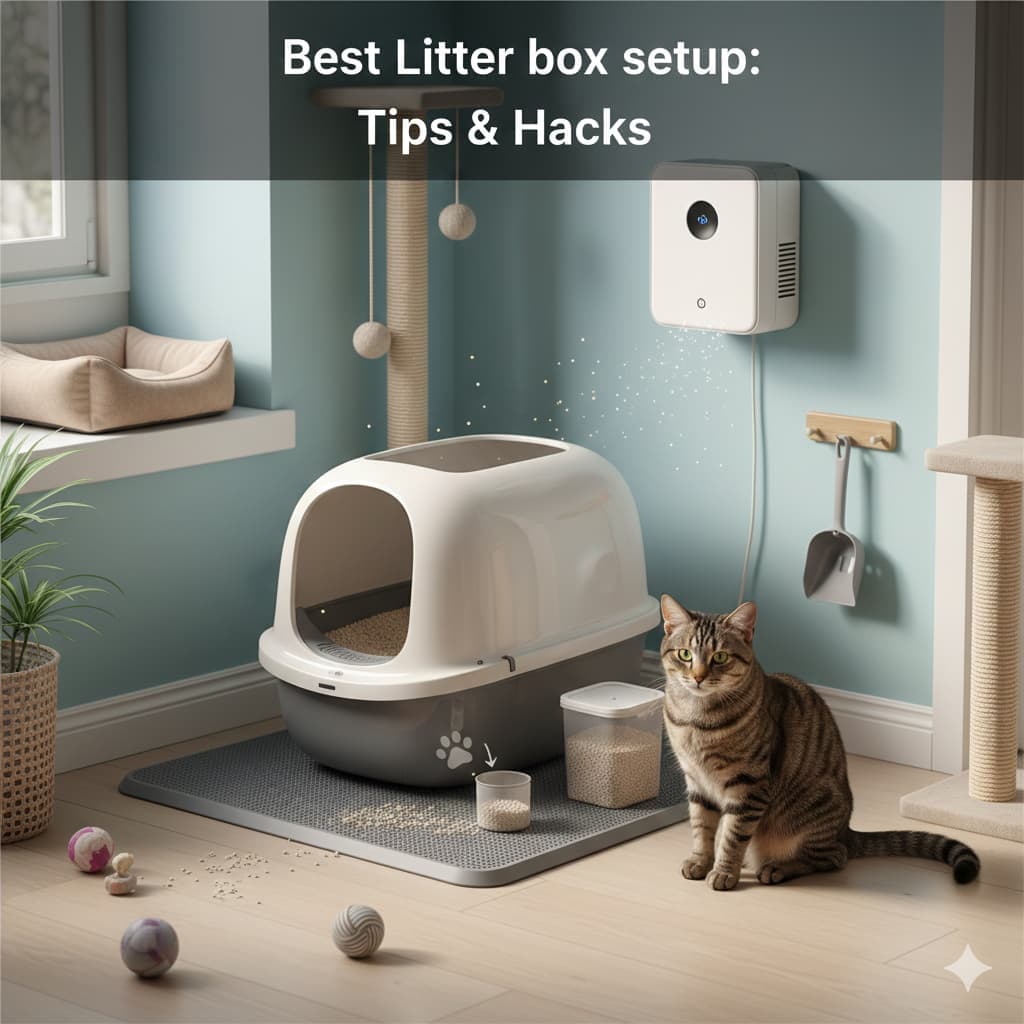
Creating the best litter box setup is one of the most important steps in ensuring your cat’s comfort, health, and happiness. A well-planned setup reduces stress, prevents accidents, and keeps your home fresh. Many behavior problems start with poor litter arrangements, not “bad” cats. In this guide, you’ll discover practical tips, expert hacks, and real-life solutions to design a space your cat actually loves using every day.
Finding Your Cat’s “Safe Space”
Cats are instinctively clean but also extremely sensitive to their environment. The location of the litter box plays a major role in whether your cat accepts or rejects it. To achieve the best litter box setup, think like a cat rather than a human.
First, choose a quiet and low-traffic area. Cats prefer privacy when using the litter box, similar to how humans value privacy in bathrooms. Avoid placing the box near noisy appliances like washing machines or next to doors that open and close frequently.
Second, accessibility matters. Kittens, senior cats, or cats with mobility issues should never struggle to reach the box. Stairs, slippery floors, or blocked pathways can lead to avoidance. This is often overlooked when people try to build the best cat litter setup, yet it’s one of the most common reasons for litter box problems.
Third, separation is key. Never place the litter box next to food and water bowls. Cats naturally avoid eliminating near where they eat. Ignoring this instinct can sabotage even the best litter box setup.
Finally, if you live in a multi-cat household, provide multiple litter box locations. The general rule is one box per cat plus one extra. This reduces territorial stress and supports the best cat litter setup for harmonious living.
Choosing the Right Cat litter box
Not all litter boxes are created equal. The box itself can make or break the best litter box setup, regardless of how good the litter is.
Size matters
Many commercial litter boxes are too small. Your cat should be able to turn around comfortably and dig without hitting the walls. A good rule is that the box should be at least 1.5 times the length of your cat from nose to tail base.
Open vs covered
Covered boxes may help humans feel better about odor, but many cats dislike them. Poor ventilation traps smells inside, making the box unpleasant for your cat. While some cats tolerate covered boxes, others will completely refuse them. Testing both options is often necessary to find the best cat litter setup for your specific cat.
Entry height
Low-entry boxes are ideal for kittens, senior cats, and cats with joint issues. High sides can help reduce scatter but should not block access.
Material quality
Plastic boxes are common, but they absorb odors over time. For the best litter box setup, consider replacing plastic boxes every 6–12 months or upgrading to higher-quality materials designed to resist odor absorption.
Choosing the right box is the foundation of the best cat litter setup, and skipping this step often leads to long-term issues.
The best cat litter setup
Designing the best litter box setup goes beyond just the box. The type of litter, layering method, and surrounding accessories all play critical roles.
Start with choosing a litter texture your cat prefers. Some cats like fine-grain litter that feels like sand, while others prefer slightly coarser textures. Introduce new litter gradually to avoid rejection.
A popular option for odor control and clumping performance is cat litter made from natural or mineral-based materials. For example, Bentonite Cat Litter Lemon offers strong clumping with a fresh scent that many owners prefer, while still maintaining a texture cats often accept.
If your cat is sensitive to fragrances, you might experiment with lavender scent cat litter or Baby Powder Cat Litter, but always monitor your cat’s reaction. Cats have strong noses, and overly strong scents can interfere with even the best litter box setup.
Depth also matters. The ideal litter depth is around 5–7 cm. Too shallow prevents proper digging, while too deep increases waste and tracking.
To enhance cleanliness around the box, use a cat litter mat outside the entrance. This reduces litter scatter and helps maintain hygiene, an often-overlooked detail in the best cat litter setup.
When shopping for supplies, trusted sources such as an Online Pet Shop in Dubai can provide consistent quality and reliable product options, which is essential for maintaining the best litter box setup long-term.
Also read: 5 Effective Strategies for How to Reduce Litter Tracking
Pro Hacks for Maintenance & Odor
Even the best litter box setup will fail without proper maintenance. Cleanliness is non-negotiable for cats.
Daily scooping
Scoop at least once daily. In multi-cat homes, twice daily is ideal. A dirty box is the fastest way to get a cat to eliminate elsewhere.
Weekly refresh
Top up litter regularly to maintain the correct depth. This keeps odors under control and supports the best cat litter setup.
Monthly deep clean
Once a month, empty the box completely and wash it with warm water and mild, unscented soap. Avoid harsh chemicals or bleach, as lingering smells can repel cats.
Odor control hacks
- Sprinkle a thin layer of baking soda under the litter (not mixed in).
- Use well-ventilated areas to prevent odor buildup.
- Replace old boxes that retain smells.
Multi-cat strategy
In homes with more than one cat, rotating cleaning schedules and maintaining extra boxes is essential for the best litter box setup. Territorial disputes often show up first as litter box avoidance.
For premium supplies and accessories, brands like Cheetah Pets offer practical solutions designed for real-world cat households.
Conclusion
Building the best litter box setup is not about aesthetics, it’s about understanding your cat’s instincts and needs. From choosing the right location and box to selecting suitable litter and maintaining cleanliness, every detail matters. A thoughtful approach leads to fewer accidents, lower stress, and a happier cat.
If you’re ready to upgrade your best cat litter setup, invest in quality products, observe your cat’s behavior, and make small adjustments over time. Your cat will thank you with consistent, stress-free litter box habits.
Also read: First-Time Puppy Owner Guide: What Every New Puppy Owner in Dubai Needs
FAQs
How often should I completely replace the litter?
For the best litter box setup, completely replace the litter every 3-4 weeks for single-cat homes. Multi-cat households may need full changes every 2 weeks, depending on usage and odor control.
Why does my cat suddenly stop using the litter box?
This often signals stress, illness, or dissatisfaction with the best cat litter setup. Changes in litter type, box location, cleanliness, or household routine can trigger avoidance.
Are hooded/covered boxes better for odors?
They may trap odors for humans, but many cats dislike them. Poor airflow can undermine the best litter box setup by making the box smell stronger to your cat.
Can I use liners to make cleaning easier?
Some cats tolerate liners, but others hate the crinkling texture. If your cat scratches or avoids the box, remove the liner to protect the best cat litter setup.
What is the best way to clean a litter box?
Use warm water and mild, unscented soap. Avoid strong cleaners, as residual smells can disrupt even the best litter box setup and cause rejection.
Also read: How to Train Older Dog to Use Pee Pad