homeback

How to Choose a Good Cat Food

closehome
How to Choose a Good Cat Food

How to Choose a Good Cat Food

Feeding your feline the right diet is more than just picking a brand off the shelf. With so many options available, knowing how to choose a good cat food becomes a critical part of being a responsible pet parent. Your cat’s health, longevity, and happiness depend heavily on the quality and balance of nutrients they receive. In this guide, you’ll discover everything you need to confidently select the best food for your furry friend.


How to Choose a Good Cat Food


Learning how to choose a good cat food means understanding your cat’s nutritional needs, lifestyle, and health conditions. The right food supports energy, coat shine, digestion, and immune health. Unfortunately, flashy packaging can be misleading. That’s why it’s important to dive into labels, ingredients, and food types. If you’re wondering, how to choose best cat foods, keep reading. We will break it down step-by-step to make the decision easier for you and healthier for your feline companion.


What Nutrients Does Your Cat Really Need?


Before you can master how to choose a good cat food, you must understand your cat’s nutritional needs. Cats are obligate carnivores, meaning their diet should be primarily meat-based. They need certain nutrients that are only found in animal products, which makes ingredient quality especially important.


1. Protein


Cats need high-quality animal protein to support muscle development, tissue repair, and overall vitality. Look for food that lists meat, poultry, or fish as the first ingredient, not by-products or plant proteins.


2. Taurine


This essential amino acid supports your cat’s heart health, vision, and reproductive function. A deficiency can lead to severe health issues, so make sure taurine is included in the ingredient list.


3. Fatty Acids


Omega-3 and Omega-6 fatty acids support skin health, a shiny coat, and a healthy immune system. Fish oils and animal fats are excellent sources.


4. Vitamins and Minerals


Key nutrients like Vitamin A, Vitamin D, calcium, and phosphorus are crucial for bone development and organ health. A good cat food will have a balanced vitamin and mineral profile appropriate for your cat’s life stage.


5. Moisture


Especially important in wet food, moisture aids in hydration and kidney function. If your cat eats dry food, ensure they have constant access to fresh water.


Shop now: Permium cat food


Types of Commercial Cat Food Available in Dubai


Dubai’s pet market offers a range of cat food products, but not all are created equal. When learning how to choose a good cat food, it’s helpful to know what’s out there.


1. Dry Cat Food (Kibble)


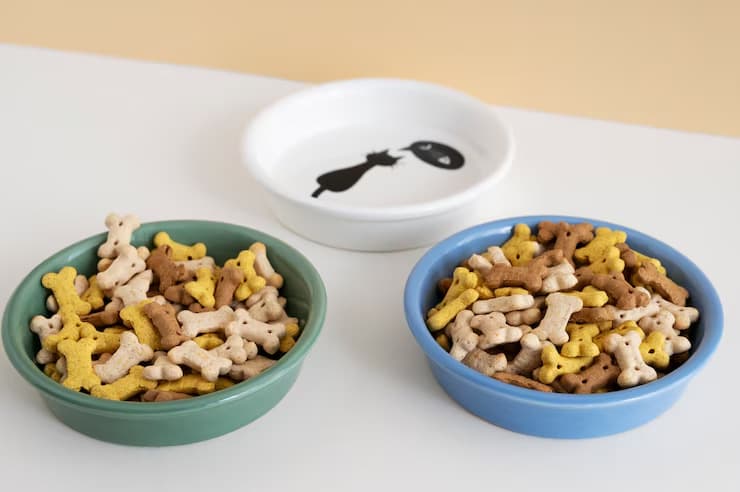
When considering how to select a dry cat food, focus on protein content and minimal fillers. Kibble is convenient, cost-effective, and long-lasting, but ensure your cat gets enough water.


2. Wet Cat Food


Wet food contains 70-80% moisture and is ideal for hydration. It’s more palatable and closer to a natural diet, making it a top choice for picky eaters or older cats with dental issues.


3. Semi-Moist Food


This option falls between kibble and wet food. It’s easier to chew and more flavorful than dry food but often contains artificial colors or preservatives. Use occasionally or as a treat.


4. Freeze-Dried or Raw Cat Food


These offer whole-food nutrition closest to what cats would eat in the wild. However, you must ensure the product is handled safely and balanced properly.


5. Prescription or Veterinary Diets


If your cat has health conditions (kidney disease, diabetes, allergies), your vet might recommend a special diet. These foods are formulated to manage symptoms and improve quality of life.


Types of Commercial Cat Food


What Should I Look for in Cat Food as a UAE Pet Parent?


Choosing safe pet products in the UAE requires attention to labels, sourcing, and storage conditions. As a UAE pet parent, climate and local availability also matter when figuring out how to choose a good cat food.


AAFCO or FEDIAF Approval


These regulatory bodies ensure the food meets basic nutritional standards. Look for a label indicating the product is “complete and balanced.”


Clear Ingredient Labels


Avoid vague terms like “meat meal” or “animal derivatives.” Instead, look for clearly defined ingredients such as “chicken,” “salmon,” or “beef.”


Life Stage Appropriateness


Kittens, adults, and seniors have different nutritional needs. Make sure the food suits your cat’s age, weight, and activity level.


Allergen Awareness


Some cats are sensitive to grains, dairy, or certain proteins. If your cat has a history of allergies, consider hypoallergenic or limited-ingredient diets.


Packaging Integrity


Heat and humidity in the UAE can affect product quality. Always check expiration dates and choose food stored in climate-controlled environments.


How to Choose a Good Cat Food


5 Cat Food Ingredients to Look For and Ones to Avoid


Not all ingredients are equal. One of the biggest keys in how to choose a good cat food is knowing what to prioritize, and what to stay away from.


1. Look For: Chicken or Turkey


Named meats as the first ingredient signal high-quality protein. Chicken and turkey are lean and easy to digest.


2. Avoid: Meat By-Products 


These are low-quality protein sources and may include non-nutritive parts. Avoid anything that doesn’t specify the meat type.


3. Look For: Salmon Oil 


A rich source of omega-3 fatty acids, salmon oil supports joint, brain, and skin health.


4. Avoid: Artificial Colors and Flavors 


These are unnecessary and can cause allergic reactions or digestive upset. Natural food should be appealing without additives.


5. Look For: Brown Rice or Sweet Potato 


As digestible carbohydrates, these offer fiber and energy without spiking blood sugar. Unlike corn or wheat, they’re gentler on the stomach.


Types of High-Quality Cat Food in the UAE Market


The UAE pet care market has evolved to offer a wide selection of premium options. If you’re wondering how to choose a good cat food locally, these are your top choices:


Holistic and Natural Cat Foods


Brands offering human-grade ingredients, no fillers, and natural preservatives fall into this category. Great for cats with sensitivities.


Organic Cat Foods


Certified organic cat foods avoid pesticides, antibiotics, and synthetic hormones. They’re ideal for health-conscious pet owners.


Grain-Free Cat Foods


Popular for cats with allergies or intolerances. Ensure the food compensates with quality carbs like pumpkin or peas.


Limited Ingredient Diets


Best for cats with digestive or skin issues. These foods typically feature one protein and one carb source to minimize allergic reactions.


Veterinary-Recommended Brands


Options like Hill’s Prescription Diet or Royal Canin Veterinary are formulated for specific conditions. Always use under veterinary guidance.


7 Expert Tips for Choosing the Best Cat Food in Dubai


Whether you’re researching how to select cat food or narrowing down options, we will provide you with tips and explanations for choosing the best cat food in Dubai. 


1. Understand Your Cat’s Needs


Age, breed, activity level, and health status affect your cat’s nutritional requirements. A Maine Coon kitten and a senior Persian cat won’t thrive on the same diet.


2. Don’t Be Fooled by Marketing


“Premium” or “gourmet” doesn’t always mean better. Read labels and look for nutritional adequacy statements.


3. Rotate Protein Sources


To avoid food sensitivities, experts recommend rotating between proteins like chicken, lamb, or fish every few months.


4. Prioritize Animal Proteins


Animal-based protein is more biologically appropriate than plant-based. Soy or corn-based diets can lead to digestive issues.


5. Avoid Overfeeding


Obesity is a common issue, especially with indoor cats. Follow feeding guidelines and adjust portions based on your cat’s weight.


6. Check for Recalls


Stay informed about food safety by checking brands for recalls. Trust is key when you choose a good cat food.


7. Consult Your Veterinarian


Always discuss dietary changes with your vet, especially if your cat has chronic conditions or is a picky eater.


Give Your Cat the Best Trusted Nutrition from CHEETAH Pets UAE


If you’re looking for premium pet care solutions in the UAE, CHEETAH Pets is your go-to source. They offer trusted, vet-approved products that align with all the criteria discussed above. From high-protein kibble to specialized wet foods, every product supports feline wellness at its core. Their platform ensures safe delivery, temperature controlled storage, and curated selections backed by science.
Whether you’re a first time cat parent or an experienced owner learning how to choose a good cat food, CHEETAH Pets simplifies your search. Explore trusted, healthy options now at CHEETAH Pets UAE and give your cat the nutrition they deserve.


FAQs


How to tell if cat food is good quality?


Check if a specific meat is listed first, avoid by-products, and look for a nutritional adequacy statement from AAFCO or FEDIAF. If the food contains unnecessary fillers or artificial additives, it’s best to avoid it.


What is the healthiest food to feed a cat?


The healthiest options include high-protein, grain-free diets with balanced vitamins and minerals. Consider holistic or organic foods with no artificial ingredients.


How to find good quality cat food?


Learning how to choose a good cat food involves reading labels, understanding your cat’s nutritional needs, and selecting trusted brands. For a complete routine, pair it with cat wellness and hygiene essentials.


What is the 25 rules for cat food?


The 25% rule states that if a product has a descriptive name like “Chicken Dinner for Cats,” it must contain at least 25% of that ingredient (excluding water). It’s part of pet food labeling standards.

On this Page

How to Choose a Good Cat FoodarrowWhat Nutrients Does Your Cat Really Need?arrow1. Proteinarrow2. Taurinearrow3. Fatty Acidsarrow4. Vitamins and Mineralsarrow5. MoisturearrowTypes of Commercial Cat Food Available in Dubaiarrow1. Dry Cat Food (Kibble)arrow2. Wet Cat Foodarrow3. Semi-Moist Foodarrow4. Freeze-Dried or Raw Cat Foodarrow5. Prescription or Veterinary DietsarrowWhat Should I Look for in Cat Food as a UAE Pet Parent?arrowAAFCO or FEDIAF ApprovalarrowClear Ingredient LabelsarrowLife Stage AppropriatenessarrowAllergen AwarenessarrowPackaging Integrityarrow5 Cat Food Ingredients to Look For and Ones to Avoidarrow1. Look For: Chicken or Turkeyarrow2. Avoid: Meat By-Productsarrow3. Look For: Salmon Oilarrow4. Avoid: Artificial Colors and Flavorsarrow5. Look For: Brown Rice or Sweet PotatoarrowTypes of High-Quality Cat Food in the UAE MarketarrowHolistic and Natural Cat FoodsarrowOrganic Cat FoodsarrowGrain-Free Cat FoodsarrowLimited Ingredient DietsarrowVeterinary-Recommended Brandsarrow7 Expert Tips for Choosing the Best Cat Food in Dubaiarrow1. Understand Your Cat’s Needsarrow2. Don’t Be Fooled by Marketingarrow3. Rotate Protein Sourcesarrow4. Prioritize Animal Proteinsarrow5. Avoid Overfeedingarrow6. Check for Recallsarrow7. Consult Your VeterinarianarrowGive Your Cat the Best Trusted Nutrition from CHEETAH Pets UAEarrowFAQsarrowHow to tell if cat food is good quality?arrowWhat is the healthiest food to feed a cat?arrowHow to find good quality cat food?arrowWhat is the 25 rules for cat food?arrow

Explore Our latest Blogs

How to Choose Cat Litter for Kittens

How to Choose Cat Litter for Kittens

Bringing a kitten home is exciting. But along with the fun comes a few simple responsibilities. One of the first things most new cat owners deal with is the litter box. And of course, many people start wondering how to learn your cat to use the litter box, especially when the kitten is still very small. The good news is that choosing the right litter can make this whole process much easier.

Kittens usually prefer litter that feels soft on their paws. Fine, gentle litter is often a good choice because it’s comfortable for them to step on and easy to dig in. Some owners like clumping litter, while others go with non-clumping. Both can work, but it’s always better to pick something low in dust and safe for young kittens.

It’s also smart to avoid strong scents. What smells nice to us can be overwhelming for a kitten. Unscented litter is usually the safer option because it feels more natural and doesn’t bother their sensitive noses.

Where you place the litter box matters too. Try to keep it somewhere quiet and easy for your kitten to reach. After meals or naps, gently place your kitten in the box so it starts to understand the routine. Small steps like this help when learning how to Learn your cat to use the litter box without stress.

And don’t forget—cats like Things Clean. Scoop the litter daily and keep the box fresh. A clean space makes kittens feel comfortable and more likely to use it. With a little patience and the right setup, how to Learn your cat to use the litter box will quickly become part of your kitten’s natural routine. 

Why Litter Box Training Is Important for Cats

Teaching a cat to use the litter box makes things easier for both you and your pet. Many new owners ask how do kittens learn to use the litter box and wonder if it’s a hard process. In most cases, it isn’t. Kittens usually learn fast, especially when the litter box is comfortable and the litter feels right under their paws.

If you recently brought home a kitten from an Online Pet Shop in Dubai like Cheetah Pets Supplies , you may notice that kittens often try to bury their waste right away. It’s a natural instinct, which is why understanding how do cats learn to use a litter box is often simpler than people expect.

That said, some kittens take a little time to settle in. This is why many owners look up things like how do cats learn to use litter box, especially during the first few days when a kitten may just need some gentle guidance and a bit of patience.

Where to Place the Litter Box

Where you put the litter box matters just as much as the type of litter you use. Pick a spot that’s quiet, calm, and easy for your kitten to reach.

Many people living in smaller homes search how to litter train a cat in a small apartment. The idea is simple—keep the litter box away from food bowls and sleeping areas, but place it somewhere your kitten can still access easily.

One simple trick is to place your kitten in the litter box after meals or naps. Doing this regularly helps your kitten start recognizing the routine and where it should go

Step-by-Step Guide to Litter Training Your Cat

Training a kitten to use the litter box is usually easier than most people expect.

When your kitten first arrives home, show it where the litter box is. Place the kitten in the box a few times during the day so it gets used to the location.

Many owners search how to learn your cat to use the litter box, but it really comes down to patience and routine. If the litter box stays clean and easy for the kitten to reach, most kittens quickly understand where they should go.

Common Litter Box Problems and How to Fix Them

Sometimes a cat suddenly stops using the litter box. When that happens, many owners search things like cat won’t use litter box but no medical issue to figure out what might be wrong.

Often the reason is something simple. The litter box may be dirty, placed in an uncomfortable spot, or the litter itself might not suit the cat.

Another common question is why is my cat suddenly not using the litter box. Changes at home, stress, or even moving to a new place can affect a cat’s behavior for a while.

In many cases, the solution is straightforward—keep the litter box clean and make sure the litter type is comfortable for your cat.

How to Litter Train a Kitten

Most kittens pick up litter training quickly because they naturally try to bury their waste. It’s simply part of their instinct, which makes the process much easier.

When people ask how do kittens learn to use the litter box, the answer usually comes down to routine and consistency.

Place your kitten in the litter box regularly and keep the experience calm. Over time, the kitten will begin using the box on its own.

How to Retrain an Older Cat

Even older cats can pick up new litter habits or return to their routine. That’s why some owners ask how do cats learn to use a litter box when the cat is already grown.

What often helps is keeping the environment calm and making sure the litter box feels comfortable. Sometimes a simple change in litter can help too. Trying options like Baby Powder Cat Litter or another softer type may encourage the cat to start using the box again.

Cleaning and Maintaining the Litter Box

A clean litter box plays a big role in successful litter training. Cats prefer a space that feels fresh and well kept.

Scooping the litter daily and replacing it regularly helps reduce odors and keeps the box comfortable for your cat. Many owners choose bentonite cat litter 5kg or bentonite cat litter 20kg because it’s easier to manage and clean.

When the litter box is maintained properly, cats are more likely to use it consistently and accidents become less common.

Also read: The Science Behind Cat Litter Odor Control

Conclusion

Litter training a kitten is usually simpler than people expect. When the litter is comfortable, the box is placed in the right spot, and it’s kept clean, most kittens quickly figure out where to go.

If you’re looking for litter options like Bentonite Cat Litter Lemon, cat litter bentonite lavender scent 5kg, Baby Powder Cat Litter, or larger packs such as 30kg cat litter, you can explore them at Cheetah Pets, a trusted Online Pet Shop in Dubai.

Choosing the right litter can make the whole training experience easier for both you and your cat.

Also read: what is bentonite cat litter?

FAQs

How long does it take to litter train a cat?

Most kittens learn to use the litter box pretty quickly. For many, it only takes a few days. Others may take a bit longer—sometimes up to a couple of weeks—depending on their age and the environment they’re adjusting to.

Why is my cat not using the litter box?

There are a few possible reasons. The litter box might be dirty, placed in a noisy or uncomfortable area, or the cat could be feeling stressed.

Can older cats be litter trained?

Yes, they can. With patience and a steady routine, older cats are able to learn—or relearn—how to use the litter box.

How do I stop my cat from peeing outside the litter box?

Start by keeping the litter box clean and placing it in a quiet spot. It also helps to make sure the litter type feels comfortable for your cat.

What type of litter is best for kittens?

Kittens usually prefer soft, low-dust litter. Bentonite litter is often a good option because it’s gentle on their paws.

Also read: Litter Box Issues: Tips & Tricks for a Happier Cat

Why Some Puppies Refuse to Use Pee Pads and How to Encourage Good Habits

Why Some Puppies Refuse to Use Pee Pads and How to Encourage Good Habits

If your puppy refuses to pee on the pad, it can feel confusing—and a little frustrating—especially when you’re doing your best to train them. The good news is that many puppies go through this stage while they’re still learning where they’re supposed to go.

Sometimes a puppy refuses to pee on pad simply because the routine is still new to them. Puppies need time, consistency, and gentle guidance to understand what you expect.

If your puppy refuses to pee on the pad, try guiding them to the pad after meals, naps, or playtime, and reward them when they use it. With patience and positive reinforcement, your puppy will gradually build the right habit.

Understanding Why Puppies Avoid Pee Pads

When a puppy refuses to pee on a pad, it usually just means they’re still learning the routine. In the first days of training, it’s normal if a puppy won’t pee on the pad right away. Puppies rely a lot on habit and familiar smells, so it may take a bit of time before they understand where they’re supposed to go.

That’s where Puppy Training Pads help. When the pad stays in the same place and becomes part of your puppy’s daily routine, they gradually start recognizing it as their bathroom spot. 

The Pee Pad May Be in the Wrong Location

Sometimes a puppy refuses to pee on pad simply because of its location. If the pad is in a busy or noisy part of the house, your puppy may avoid it. Most puppies prefer a quiet spot where they can relax and feel safe.

If your puppy won’t pee on pee pad, try moving it to a calmer corner and keep it there consistently. Many pet owners also rely on Disposable Pet Training Pads to keep the area clean while helping their puppy learn the right place to go.

Puppies Often Miss the Pad Due to Size or Placement

If the pad is too small or not placed well, your puppy won’t pee on pad consistently and may end up missing it. Young puppies are still learning control, so accidents can happen while they’re figuring things out.

Using larger Disposable Puppy Pee Pads gives your puppy more space and makes it easier for them to land in the right spot.

Inconsistent Training Confuses Puppies

Puppy training works best with a steady routine. If a puppy refuses to pee on pad, it may be because the schedule keeps changing. Puppies learn faster when they’re guided to the pad at the same key moments—after meals, naps, and playtime.

Keeping a consistent routine, along with dependable Best Puppy Training Pads, helps reinforce the habit and makes the training process smoother.

Your Puppy May Not Recognize the Pad Yet

Sometimes a puppy refuses to pee on a pad simply because they haven’t connected it with bathroom time yet. If your puppy won’t pee on the pee pad, try placing a slightly used pad underneath a fresh one. The scent can help your puppy understand where they’re supposed to go.

You can also explore training products from Cheetah Pets Supplies, which are made to support puppies as they learn this routine.

Too Much Space Can Lead to Accidents

Letting your puppy roam too freely at the start can lead to accidents. If a puppy won’t pee on the pad, they may just wander off and pick another spot in the room. During training, it helps to keep their space limited so they can clearly understand where they’re supposed to go.

Many pet owners also pick up their training supplies from an Online Pet Shop in Dubai, which makes it easy to find the tools they need while building good habits from the beginning.

Some Puppies Prefer Outdoor Potty Training

Some puppies simply prefer going outside. In these cases, a puppy refuses to pee on pad because they’re used to grass or soil when it’s time to go. If your puppy won’t pee on pad, try easing them into it by slowly moving from outdoor breaks to indoor pads.

Using Disposable Reusable Dog Pee Pads can make this transition easier while your puppy adjusts to the new routine.

Pee Pad Quality and Absorbency Matter

Poor-quality pads can make pee pad training frustrating. If the surface feels damp or uncomfortable, your puppy won’t pee on pee pad again and may start avoiding it. Puppies are sensitive to how things feel under their paws, so a dry, comfortable pad really matters.

That’s why many owners go for premium Disposable Puppy Pee Pads. With better absorbency, the pad stays drier and helps your puppy feel comfortable using the same spot again

Positive Reinforcement Works Better Than Punishment

If you’re asking yourself why my puppy won’t pee on the pad, the answer often comes down to how the training is done. Puppies learn best when they feel safe and encouraged—not when they’re punished for accidents.

When it comes to how to train puppy to use pee pads, patience and consistency matter the most. Guide your puppy to the pad regularly, and when they get it right, give them praise or a small treat. Over time, they’ll start linking the pad with a positive experience.

Using reliable Puppy Training Pads also helps by creating a clear, consistent bathroom spot for your puppy, which makes the whole training process smoother.

Also read: Dog Training Essentials: A Step by Step Guide

Common Reasons Puppies Avoid Pee Pads

  • Pad location is noisy

What Happened: Puppy avoids the area

Quick Fix: Move the pad to a quiet corner

  • Pad is too small

What Happened: Puppy misses the pad

Quick Fix: Use larger Disposable Puppy Pee Pads

  • Inconsistent routine

What Happened: Puppy gets confused

Quick Fix: Take them to the pad after meals and naps

  • Puppy prefers outside

What Happened: Puppy looks for grass or soil

Quick Fix: Gradually transition to indoor pads

  • Pad feels wet or uncomfortable

What Happened: Puppy won’t return to the pad

Quick Fix: Use high-absorbency Puppy Training Pads

FAQs

Why does my puppy pee next to the pad instead of on it?

This often happens when the pad is too small, placed in the wrong spot, or your puppy is still learning where to aim. It’s a common part of early training.

How can I encourage my puppy to use pee pads?

Guide your puppy to the pad regularly, especially after meals, naps, and playtime. When they use it correctly, praise them or offer a small reward. Keeping the pad in the same spot also helps.

How long does it take to train a puppy to use pee pads?

It varies, but many puppies begin to understand the routine within a few weeks, especially with consistent guidance.

Should I punish my puppy for not using the pad?

No. Punishment can confuse puppies. Positive reinforcement works better and helps build trust during training.

Why does my puppy shred or chew pee pads?

Puppies sometimes chew pads out of curiosity or boredom. Giving them toys or chewing items can help redirect that behavior.

Can puppies be trained to use pee pads permanently?

Yes. Many small breeds and dogs living in apartments continue using pee pads even as adults.

Also read: How to Choose Cat Litter for Kittens
 

Summer puppy Care Guide for UAE Pet Owners

Summer puppy Care Guide for UAE Pet Owners

Not long ago, many pet owners in the UAE underestimated the challenges of summer.

This puppy care guide is designed to help you navigate the heat while keeping your puppy happy and healthy.

For example, simple adjustments in daily routines can make a huge difference.

Today, the sun shines stronger than ever during the summer months.

Most puppies struggle with high temperatures, which can affect their energy and appetite.

This puppy care guide explains practical tips for hydration, exercise, and skin care.

Over the past few years, pet owners have become more aware of heat-related risks.

At the same time, many puppies are more active during early mornings and late evenings.

Following this puppy care guide can ensure your puppy enjoys summer safely.

In many cases, pet owners worry about sunburns and overheating.

Using light-colored bedding and providing shaded areas can help.

For example, avoid taking your puppy out during peak midday heat.

In reality, keeping a consistent summer schedule consistently benefits both you and your puppy.

Regular water breaks and short walks prevent dehydration.

Summer grooming routines reduce the risk of skin irritations.

Understanding UAE Summer Conditions and Their Impact on Puppies

Understanding how to care for a puppy in UAE summer is crucial because the extreme heat can affect their health. Pet owners in Dubai should know puppy heat protection tips UAE to avoid overheating. Choosing the right Disposable Pet Training Pads can also help keep your puppy comfortable indoors.

Best Ways to Keep Your Puppy Cool at Home

Keeping your puppy cool starts with proper hydration and shaded areas. Using Disposable Puppy Pee Pads can make cleanups easy while keeping your puppy safe. Online stores like Cheetah Pets Supplies offer a variety of Puppy Training Pads that are perfect for summer.

Hydration Tips for Puppies in Hot Weather

Always provide fresh water to prevent dehydration. Using Disposable Reusable Dog Pee Pads can save time during frequent water breaks. Following a puppy care guide week by week can help you monitor your puppy’s water intake effectively.

Safe Outdoor Practices During UAE Summer

Avoid walking your puppy during peak heat hours. Check the pavement before allowing your puppy to walk as puppies can walk in hot weather UAE safely. Learn summer pet care tips UAE to keep your pets safe outdoors.

Summer Grooming Tips for Puppies

Regular grooming reduces heat stress. Use lightweight, breathable bedding, and maintain clean spaces with Best Puppy Training Pads. Your puppy guide will help you decide when grooming is most effective.

Travel and Car Safety Tips for Puppies

Never leave your puppy in a parked car. Use Disposable Pet Training Pads in travel crates to manage accidents. Check how to keep dogs cool in Dubai heat during transport to prevent heatstroke.

Essential Summer Products for Puppy Care

Stock up on essentials like cooling mats, shade tents, and Puppy Training Pads. Trusted sources like Online Pet Shop in Dubai and Cheetah Pets Supplies offer Disposable Puppy Pee Pads and Disposable Reusable Dog Pee Pads for convenience.

Also read: The Science Behind Cat Litter Odor Control: Understanding How to Choose the Right Products

Conclusion

Summer care is vital for puppy health. Follow puppy care guides week by week, use Best Puppy Training Pads, and refer to your puppy guide to ensure your puppy stays safe and happy. Visit Online Pet Shop in Dubai for all your Puppy Training Pads needs today!

Also read: How to Choose Cat Litter for Kittens
 

FAQ

 How hot is too hot to walk a puppy in the UAE?

  • In the UAE, any temperature above 35°C (95°F) is risky for puppies.
  • Pavement and asphalt get extremely hot and can burn their paws.
  • Best walking times are before 8 AM or after 6 PM, always in shade with water available.


Can puppies get heatstroke indoors?

  • Yes, even indoors, especially if air conditioning or fans are weak or off.
  • Room temperatures above 30°C (86°F) with high humidity can cause heatstroke.
  • Always provide good ventilation and cool, fresh water.


How often should I give my puppy water in hot weather?

  • Keep water available at all times, especially if your puppy is active.
  • Puppies may need to drink every 30–60 minutes during extreme heat.
     

What are the first signs of heat exhaustion in puppies?

  • Excessive panting and drooling.
  • Lethargy, weakness, mild vomiting, or diarrhea.
  • If you notice these, move your puppy to a cool place immediately and offer water.
     

How can I protect my puppy’s paws in summer?

  • Avoid walking on hot asphalt; test with your hand or foot first.
  • Use puppy booties or walk on grass or shaded areas.
  • Keep nails trimmed to reduce heat contact with the ground.
     

Do puppies eat less in summer?

  • Yes, many puppies eat less during hot weather due to lower energy needs.
  • Offer smaller, frequent meals and keep food in a cool area.
     

How do I keep my puppy entertained indoors during extreme heat?

  • Use puzzle toys, treat-dispensing toys, or training sessions.
  • Play gentle indoor games and provide cool resting areas.

Rotate toys to keep them mentally stimulated without needing outdoor heat.
Also read: Why Some Puppies Refuse to Use Pee Pads