homeback

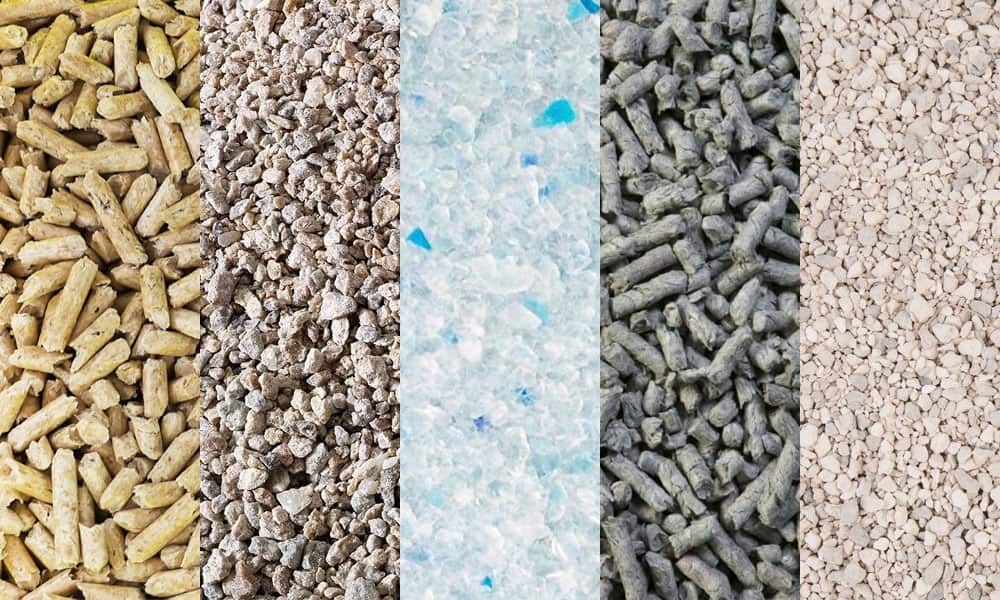
Different Types of Cat Litter

closehome
different types of cat litter

Different Types of Cat Litter

Choosing the right litter is essential for your cat’s comfort and your home’s cleanliness. With so many different types of cat litter available, finding the perfect match can feel overwhelming. From odor control to eco-friendliness, every litter has its pros and cons. In this guide, we explore the best type of cat litter for odor control, sustainability, and comfort, all while offering pet care tips from Cheetah Pets.


Different Types of Cat Litter


Cat owners now have access to different types of cat litter designed for specific preferences and needs. Whether you’re looking for eco-friendly pet products or maximum odor control, the right choice can make a big difference in your cat’s hygiene and your home’s freshness.


1. Clumping Cat Litter


Clumping cat litter is one of the most popular choices due to its convenience. Made primarily from bentonite clay, it forms solid clumps when wet, making it easy to scoop daily. This type is ideal for multi-cat households and provides excellent odor control. However, it is not biodegradable, which might not suit eco-conscious pet owners.


2. Non-Clumping Clay Litter


Non-clumping clay litter absorbs moisture without forming clumps. It often contains baking soda or other additives to neutralize odor. While it may be more affordable, it requires frequent replacement and can be messier. The cat litter clumping vs non clumping debate often depends on ease of use versus cost and dust levels.


3. Silica Gel Litter


Silica gel crystals trap moisture and control odor without clumping. This low-dust option is suitable for allergy-prone homes. While more expensive, it lasts longer than other different types of cat litter, making it a convenient yet premium choice.


4. Recycled Paper Litter


This environmentally friendly option is made from compressed recycled paper pellets. It’s soft on paws and ideal for cats recovering from surgery. Recycled paper is one of the most eco-friendly pet products and is highly absorbent, though it may not offer the best type of cat litter for odor control.


5. Pine Litter


Pine litter is crafted from compressed sawdust, offering a natural scent and effective moisture absorption. It breaks down into sawdust upon use. Pine is both biodegradable and chemical-free, making it a top contender among eco-friendly pet products.


6. Corn-Based Litter


Made from whole kernel corn, this litter is biodegradable, flushable, and offers decent clumping. It is a good balance between function and sustainability, though some cats might be sensitive to its texture or scent. It’s one of the different types of cat litter praised for its natural composition.


7. Wheat-Based Litter


This natural litter uses enzymes in wheat to neutralize odors. It clumps moderately well and is compostable. Like corn-based options, wheat litter is gaining traction among pet owners looking for eco-friendly pet products that are gentle on paws and noses.


8. Coconut Husk Litter


A lesser-known but highly sustainable option, coconut husk litter is lightweight, absorbent, and odor-neutralizing. It’s great for cats with allergies due to its low dust. This type stands out among different types of cat litter for its minimal environmental impact.


9. Scented Cat Litter


Scented cat litter is formulated to mask unpleasant odors. Available in clay, silica, and natural varieties, it helps maintain a fresh-smelling home. However, not all cats appreciate artificial scents, and it may cause respiratory issues for sensitive pets.


Also read: What Is Bentonite Cat Litter?


Types of Cat Litter: Pros and Cons


Understanding the strengths and weaknesses of the different types of cat litter helps narrow your choices and ensures your cat’s comfort. Clumping litters are excellent for odor control and easy daily maintenance but may produce dust and aren’t biodegradable. Non-clumping options are more affordable and lightweight but require more frequent changes. Natural litters like pine, corn, or wheat are eco-friendly pet products, gentle on paws, and biodegradable, though sometimes less effective at odor control. Silica litters last long and are low-dust but can be more expensive. Choosing wisely depends on your cat’s needs, your lifestyle, and environmental values.


Clumping vs. Non-Clumping


Clumping litters are easy to clean and control odor well but are often dusty and less eco-friendly. Non-clumping options are budget-friendly and low-maintenance but require full-box replacement more frequently. The cat litter clumping vs non clumping question depends on your priorities: cleanliness or simplicity.


Natural vs. Synthetic


Natural litters (like corn, wheat, and pine) are biodegradable and safer for the environment but may be pricier and offer less odor control. Synthetic types like silica offer long-lasting performance but are less sustainable. Choosing between them aligns with your values around eco-friendly pet products.


Scented vs. Unscented Cat Litter


Scented vs. unscented cat litter is another key consideration. Scented versions control odor better for humans but might irritate your cat’s senses. Unscented litters are more feline-friendly, especially for sensitive or allergic cats.


What Is the Healthiest Cat Litter?


When evaluating what is the healthiest cat litter, prioritize safety, low dust levels, and chemical-free, natural materials. The healthiest options are typically made from biodegradable substances like recycled paper, pine, or wheat, which are gentle on your cat’s respiratory system and skin. Avoid litters with artificial fragrances or silica dust, especially for kittens or cats with allergies. Look for options labeled hypoallergenic or vet-recommended. While these may be slightly more expensive, they support your cat’s overall well-being. Following pet care tips from Cheetah Pets, the healthiest litters combine comfort, cleanliness, and sustainability for a safe home environment.


Health and Hygiene Considerations


For cats with respiratory issues or allergies, paper, coconut husk, or silica-based litter are ideal due to minimal dust. Natural litters without artificial fragrances are also preferable. Brands offering premium pet supplies often label their products as vet-approved or hypoallergenic. Choosing the healthiest option supports your cat’s long-term wellbeing and aligns with pet care tips from Cheetah Pets.


Also read: Cat Litter Box During Pregnancy


Factors to Consider When Choosing Cat Litter


Several personal and environmental factors influence your cat litter choice. Consider your cat’s age and health, kittens and seniors need soft, low-dust options. Prioritize the best type of cat litter for odor control in smaller spaces. If eco-conscious, choose eco-friendly pet products. Also weigh budget, ease of cleaning, and availability, many now prefer to buy cat litter online from a trusted pet supply store.


Your Cat’s Age and Health


Kittens and senior cats often have more sensitive paws and respiratory systems. For them, low-dust, fragrance-free litters are ideal. Some cats may also suffer from allergies, making hypoallergenic litter the healthiest choice. If your cat has mobility issues, avoid heavy or deep-litter options. Choosing the right litter can reduce stress for your cat and promote regular use of the litter box. It’s not just about cleanliness, it’s about comfort and safety. Whether it’s softer textures or fewer chemicals, keeping your cat’s physical condition in mind will lead to better litter decisions. Following pet care tips from Cheetah Pets helps ensure you’re meeting your cat’s specific needs.


Odor Control Needs


Odor control is often the top priority for indoor cat owners. The best type of cat litter for odor control typically includes clumping cat litter, silica gel, or carbon-infused formulas. These options trap odors efficiently and simplify cleanup. In multi-cat households or small apartments, powerful odor control can make a big difference in maintaining a fresh-smelling home. However, be cautious with scented cat litter, which may irritate sensitive cats. Unscented options with natural odor-absorbing components, like baking soda or activated charcoal, are safer and still effective. Following pet care tips from Cheetah Pets can help you strike the right balance between cleanliness and safety.


Sustainability and Eco-Friendliness


Environmental impact matters, especially to pet owners looking for eco-friendly pet products. Natural litters made from pine, wheat, corn, or recycled paper are biodegradable and sustainable. These types usually contain fewer chemicals and less dust, reducing harm to both your cat and the planet. Although they may not offer the same level of odor control as synthetic options, they still perform well with frequent cleaning. Choosing environmentally conscious products also supports a greener lifestyle overall. Many eco-conscious customers prefer to shop from a trusted pet supply store that stocks biodegradable litter options—like those found at Cheetah Pets, your go-to online pet shop in UAE.


Cleaning and Maintenance


Litter box maintenance can be a daily chore, but the right litter can make it easier. Clumping cat litter is preferred for its ability to form solid clumps that are easy to scoop, saving time and effort. On the other hand, non-clumping litter may require full box changes more often. In the debate of cat litter clumping vs non clumping, clumping generally wins for convenience. Dust levels also matter, as high-dust options can leave residue around the home and affect respiratory health. Quick-cleaning litters can significantly improve your cat care routine and encourage consistent use of the litter box, especially in busy households.


Shopping Convenience and Budget


Availability, price, and convenience often drive purchase decisions. While premium litters can offer superior odor control or eco-friendly benefits, they may not suit all budgets. The good news is that many premium pet supplies are now accessible online. You can easily buy cat litter online from a trusted pet supply store like Cheetah Pets, where variety and competitive pricing come together. Shopping online also means having your preferred brand delivered directly to your door, saving time and effort. Comparing prices and reading reviews helps you find high-quality litter that fits both your cat’s needs and your budget.


Also read: Advice For First Time Cat Owners


Cheetah Pets Has What Your Cat Needs


At Cheetah Pets, we understand the unique needs of every feline. As a trusted pet supply store and top online pet shop in UAE, we offer a curated range of premium pet supplies including all different types of cat litter. Whether you need biodegradable solutions or the best type of cat litter for odor control, we’ve got it. Our mission is to support your pet’s health with high-quality, eco-friendly pet products and expert-backed advice through pet care tips from Cheetah Pets.


FAQ


How expensive are the different types of cat litter?


Prices vary depending on material and brand. Basic non-clumping clay is the most affordable, while silica and natural options like corn or coconut can be pricier. If you’re shopping for value, consider buying bulk or choosing to buy cat litter online for deals at your trusted pet supply store.


Can you mix two types of cat litter?


Yes, mixing is possible but not always recommended. It can confuse your cat or affect clumping performance. If mixing, choose types with similar textures and purposes. For example, don’t mix clumping cat litter with non-clumping varieties.


What are the main types of cat litter available?


The main types include clumping cat litter, non-clumping clay, silica, recycled paper, pine, corn, wheat, coconut, and scented cat litter. Each has pros and cons in terms of cost, odor control, sustainability, and cat preference.


What is the difference between clumping and non clumping litter?


Cat litter clumping vs non clumping involves ease of cleaning. Clumping litters form solid waste clumps, simplifying scoop removal and odor control. Non-clumping varieties absorb moisture but don’t isolate waste, requiring more frequent box changes.


How important is odor control when choosing cat litter?


Odor control is crucial for hygiene and comfort. The best type of cat litter for odor control is usually clumping clay or silica gel. However, some eco-friendly pet products also perform well naturally without added fragrances.

On this Page

Different Types of Cat Litterarrow1. Clumping Cat Litterarrow2. Non-Clumping Clay Litterarrow3. Silica Gel Litterarrow4. Recycled Paper Litterarrow5. Pine Litterarrow6. Corn-Based Litterarrow7. Wheat-Based Litterarrow8. Coconut Husk Litterarrow9. Scented Cat LitterarrowTypes of Cat Litter: Pros and ConsarrowClumping vs. Non-ClumpingarrowNatural vs. SyntheticarrowScented vs. Unscented Cat LitterarrowWhat Is the Healthiest Cat Litter?arrowHealth and Hygiene ConsiderationsarrowFactors to Consider When Choosing Cat LitterarrowYour Cat’s Age and HealtharrowOdor Control NeedsarrowSustainability and Eco-FriendlinessarrowCleaning and MaintenancearrowShopping Convenience and BudgetarrowCheetah Pets Has What Your Cat NeedsarrowFAQarrowHow expensive are the different types of cat litter?arrowCan you mix two types of cat litter?arrowWhat are the main types of cat litter available?arrowWhat is the difference between clumping and non clumping litter?arrowHow important is odor control when choosing cat litter?arrow

Explore Our latest Blogs

How to Choose Cat Litter for Kittens

How to Choose Cat Litter for Kittens

Bringing a kitten home is exciting. But along with the fun comes a few simple responsibilities. One of the first things most new cat owners deal with is the litter box. And of course, many people start wondering how to learn your cat to use the litter box, especially when the kitten is still very small. The good news is that choosing the right litter can make this whole process much easier.

Kittens usually prefer litter that feels soft on their paws. Fine, gentle litter is often a good choice because it’s comfortable for them to step on and easy to dig in. Some owners like clumping litter, while others go with non-clumping. Both can work, but it’s always better to pick something low in dust and safe for young kittens.

It’s also smart to avoid strong scents. What smells nice to us can be overwhelming for a kitten. Unscented litter is usually the safer option because it feels more natural and doesn’t bother their sensitive noses.

Where you place the litter box matters too. Try to keep it somewhere quiet and easy for your kitten to reach. After meals or naps, gently place your kitten in the box so it starts to understand the routine. Small steps like this help when learning how to Learn your cat to use the litter box without stress.

And don’t forget—cats like Things Clean. Scoop the litter daily and keep the box fresh. A clean space makes kittens feel comfortable and more likely to use it. With a little patience and the right setup, how to Learn your cat to use the litter box will quickly become part of your kitten’s natural routine. 

Why Litter Box Training Is Important for Cats

Teaching a cat to use the litter box makes things easier for both you and your pet. Many new owners ask how do kittens learn to use the litter box and wonder if it’s a hard process. In most cases, it isn’t. Kittens usually learn fast, especially when the litter box is comfortable and the litter feels right under their paws.

If you recently brought home a kitten from an Online Pet Shop in Dubai like Cheetah Pets Supplies , you may notice that kittens often try to bury their waste right away. It’s a natural instinct, which is why understanding how do cats learn to use a litter box is often simpler than people expect.

That said, some kittens take a little time to settle in. This is why many owners look up things like how do cats learn to use litter box, especially during the first few days when a kitten may just need some gentle guidance and a bit of patience.

Where to Place the Litter Box

Where you put the litter box matters just as much as the type of litter you use. Pick a spot that’s quiet, calm, and easy for your kitten to reach.

Many people living in smaller homes search how to litter train a cat in a small apartment. The idea is simple—keep the litter box away from food bowls and sleeping areas, but place it somewhere your kitten can still access easily.

One simple trick is to place your kitten in the litter box after meals or naps. Doing this regularly helps your kitten start recognizing the routine and where it should go

Step-by-Step Guide to Litter Training Your Cat

Training a kitten to use the litter box is usually easier than most people expect.

When your kitten first arrives home, show it where the litter box is. Place the kitten in the box a few times during the day so it gets used to the location.

Many owners search how to learn your cat to use the litter box, but it really comes down to patience and routine. If the litter box stays clean and easy for the kitten to reach, most kittens quickly understand where they should go.

Common Litter Box Problems and How to Fix Them

Sometimes a cat suddenly stops using the litter box. When that happens, many owners search things like cat won’t use litter box but no medical issue to figure out what might be wrong.

Often the reason is something simple. The litter box may be dirty, placed in an uncomfortable spot, or the litter itself might not suit the cat.

Another common question is why is my cat suddenly not using the litter box. Changes at home, stress, or even moving to a new place can affect a cat’s behavior for a while.

In many cases, the solution is straightforward—keep the litter box clean and make sure the litter type is comfortable for your cat.

How to Litter Train a Kitten

Most kittens pick up litter training quickly because they naturally try to bury their waste. It’s simply part of their instinct, which makes the process much easier.

When people ask how do kittens learn to use the litter box, the answer usually comes down to routine and consistency.

Place your kitten in the litter box regularly and keep the experience calm. Over time, the kitten will begin using the box on its own.

How to Retrain an Older Cat

Even older cats can pick up new litter habits or return to their routine. That’s why some owners ask how do cats learn to use a litter box when the cat is already grown.

What often helps is keeping the environment calm and making sure the litter box feels comfortable. Sometimes a simple change in litter can help too. Trying options like Baby Powder Cat Litter or another softer type may encourage the cat to start using the box again.

Cleaning and Maintaining the Litter Box

A clean litter box plays a big role in successful litter training. Cats prefer a space that feels fresh and well kept.

Scooping the litter daily and replacing it regularly helps reduce odors and keeps the box comfortable for your cat. Many owners choose bentonite cat litter 5kg or bentonite cat litter 20kg because it’s easier to manage and clean.

When the litter box is maintained properly, cats are more likely to use it consistently and accidents become less common.

Also read: The Science Behind Cat Litter Odor Control

Conclusion

Litter training a kitten is usually simpler than people expect. When the litter is comfortable, the box is placed in the right spot, and it’s kept clean, most kittens quickly figure out where to go.

If you’re looking for litter options like Bentonite Cat Litter Lemon, cat litter bentonite lavender scent 5kg, Baby Powder Cat Litter, or larger packs such as 30kg cat litter, you can explore them at Cheetah Pets, a trusted Online Pet Shop in Dubai.

Choosing the right litter can make the whole training experience easier for both you and your cat.

Also read: what is bentonite cat litter?

FAQs

How long does it take to litter train a cat?

Most kittens learn to use the litter box pretty quickly. For many, it only takes a few days. Others may take a bit longer—sometimes up to a couple of weeks—depending on their age and the environment they’re adjusting to.

Why is my cat not using the litter box?

There are a few possible reasons. The litter box might be dirty, placed in a noisy or uncomfortable area, or the cat could be feeling stressed.

Can older cats be litter trained?

Yes, they can. With patience and a steady routine, older cats are able to learn—or relearn—how to use the litter box.

How do I stop my cat from peeing outside the litter box?

Start by keeping the litter box clean and placing it in a quiet spot. It also helps to make sure the litter type feels comfortable for your cat.

What type of litter is best for kittens?

Kittens usually prefer soft, low-dust litter. Bentonite litter is often a good option because it’s gentle on their paws.

Also read: Litter Box Issues: Tips & Tricks for a Happier Cat

Why Some Puppies Refuse to Use Pee Pads and How to Encourage Good Habits

Why Some Puppies Refuse to Use Pee Pads and How to Encourage Good Habits

If your puppy refuses to pee on the pad, it can feel confusing—and a little frustrating—especially when you’re doing your best to train them. The good news is that many puppies go through this stage while they’re still learning where they’re supposed to go.

Sometimes a puppy refuses to pee on pad simply because the routine is still new to them. Puppies need time, consistency, and gentle guidance to understand what you expect.

If your puppy refuses to pee on the pad, try guiding them to the pad after meals, naps, or playtime, and reward them when they use it. With patience and positive reinforcement, your puppy will gradually build the right habit.

Understanding Why Puppies Avoid Pee Pads

When a puppy refuses to pee on a pad, it usually just means they’re still learning the routine. In the first days of training, it’s normal if a puppy won’t pee on the pad right away. Puppies rely a lot on habit and familiar smells, so it may take a bit of time before they understand where they’re supposed to go.

That’s where Puppy Training Pads help. When the pad stays in the same place and becomes part of your puppy’s daily routine, they gradually start recognizing it as their bathroom spot. 

The Pee Pad May Be in the Wrong Location

Sometimes a puppy refuses to pee on pad simply because of its location. If the pad is in a busy or noisy part of the house, your puppy may avoid it. Most puppies prefer a quiet spot where they can relax and feel safe.

If your puppy won’t pee on pee pad, try moving it to a calmer corner and keep it there consistently. Many pet owners also rely on Disposable Pet Training Pads to keep the area clean while helping their puppy learn the right place to go.

Puppies Often Miss the Pad Due to Size or Placement

If the pad is too small or not placed well, your puppy won’t pee on pad consistently and may end up missing it. Young puppies are still learning control, so accidents can happen while they’re figuring things out.

Using larger Disposable Puppy Pee Pads gives your puppy more space and makes it easier for them to land in the right spot.

Inconsistent Training Confuses Puppies

Puppy training works best with a steady routine. If a puppy refuses to pee on pad, it may be because the schedule keeps changing. Puppies learn faster when they’re guided to the pad at the same key moments—after meals, naps, and playtime.

Keeping a consistent routine, along with dependable Best Puppy Training Pads, helps reinforce the habit and makes the training process smoother.

Your Puppy May Not Recognize the Pad Yet

Sometimes a puppy refuses to pee on a pad simply because they haven’t connected it with bathroom time yet. If your puppy won’t pee on the pee pad, try placing a slightly used pad underneath a fresh one. The scent can help your puppy understand where they’re supposed to go.

You can also explore training products from Cheetah Pets Supplies, which are made to support puppies as they learn this routine.

Too Much Space Can Lead to Accidents

Letting your puppy roam too freely at the start can lead to accidents. If a puppy won’t pee on the pad, they may just wander off and pick another spot in the room. During training, it helps to keep their space limited so they can clearly understand where they’re supposed to go.

Many pet owners also pick up their training supplies from an Online Pet Shop in Dubai, which makes it easy to find the tools they need while building good habits from the beginning.

Some Puppies Prefer Outdoor Potty Training

Some puppies simply prefer going outside. In these cases, a puppy refuses to pee on pad because they’re used to grass or soil when it’s time to go. If your puppy won’t pee on pad, try easing them into it by slowly moving from outdoor breaks to indoor pads.

Using Disposable Reusable Dog Pee Pads can make this transition easier while your puppy adjusts to the new routine.

Pee Pad Quality and Absorbency Matter

Poor-quality pads can make pee pad training frustrating. If the surface feels damp or uncomfortable, your puppy won’t pee on pee pad again and may start avoiding it. Puppies are sensitive to how things feel under their paws, so a dry, comfortable pad really matters.

That’s why many owners go for premium Disposable Puppy Pee Pads. With better absorbency, the pad stays drier and helps your puppy feel comfortable using the same spot again

Positive Reinforcement Works Better Than Punishment

If you’re asking yourself why my puppy won’t pee on the pad, the answer often comes down to how the training is done. Puppies learn best when they feel safe and encouraged—not when they’re punished for accidents.

When it comes to how to train puppy to use pee pads, patience and consistency matter the most. Guide your puppy to the pad regularly, and when they get it right, give them praise or a small treat. Over time, they’ll start linking the pad with a positive experience.

Using reliable Puppy Training Pads also helps by creating a clear, consistent bathroom spot for your puppy, which makes the whole training process smoother.

Also read: Dog Training Essentials: A Step by Step Guide

Common Reasons Puppies Avoid Pee Pads

  • Pad location is noisy

What Happened: Puppy avoids the area

Quick Fix: Move the pad to a quiet corner

  • Pad is too small

What Happened: Puppy misses the pad

Quick Fix: Use larger Disposable Puppy Pee Pads

  • Inconsistent routine

What Happened: Puppy gets confused

Quick Fix: Take them to the pad after meals and naps

  • Puppy prefers outside

What Happened: Puppy looks for grass or soil

Quick Fix: Gradually transition to indoor pads

  • Pad feels wet or uncomfortable

What Happened: Puppy won’t return to the pad

Quick Fix: Use high-absorbency Puppy Training Pads

FAQs

Why does my puppy pee next to the pad instead of on it?

This often happens when the pad is too small, placed in the wrong spot, or your puppy is still learning where to aim. It’s a common part of early training.

How can I encourage my puppy to use pee pads?

Guide your puppy to the pad regularly, especially after meals, naps, and playtime. When they use it correctly, praise them or offer a small reward. Keeping the pad in the same spot also helps.

How long does it take to train a puppy to use pee pads?

It varies, but many puppies begin to understand the routine within a few weeks, especially with consistent guidance.

Should I punish my puppy for not using the pad?

No. Punishment can confuse puppies. Positive reinforcement works better and helps build trust during training.

Why does my puppy shred or chew pee pads?

Puppies sometimes chew pads out of curiosity or boredom. Giving them toys or chewing items can help redirect that behavior.

Can puppies be trained to use pee pads permanently?

Yes. Many small breeds and dogs living in apartments continue using pee pads even as adults.

Also read: How to Choose Cat Litter for Kittens
 

Summer puppy Care Guide for UAE Pet Owners

Summer puppy Care Guide for UAE Pet Owners

Not long ago, many pet owners in the UAE underestimated the challenges of summer.

This puppy care guide is designed to help you navigate the heat while keeping your puppy happy and healthy.

For example, simple adjustments in daily routines can make a huge difference.

Today, the sun shines stronger than ever during the summer months.

Most puppies struggle with high temperatures, which can affect their energy and appetite.

This puppy care guide explains practical tips for hydration, exercise, and skin care.

Over the past few years, pet owners have become more aware of heat-related risks.

At the same time, many puppies are more active during early mornings and late evenings.

Following this puppy care guide can ensure your puppy enjoys summer safely.

In many cases, pet owners worry about sunburns and overheating.

Using light-colored bedding and providing shaded areas can help.

For example, avoid taking your puppy out during peak midday heat.

In reality, keeping a consistent summer schedule consistently benefits both you and your puppy.

Regular water breaks and short walks prevent dehydration.

Summer grooming routines reduce the risk of skin irritations.

Understanding UAE Summer Conditions and Their Impact on Puppies

Understanding how to care for a puppy in UAE summer is crucial because the extreme heat can affect their health. Pet owners in Dubai should know puppy heat protection tips UAE to avoid overheating. Choosing the right Disposable Pet Training Pads can also help keep your puppy comfortable indoors.

Best Ways to Keep Your Puppy Cool at Home

Keeping your puppy cool starts with proper hydration and shaded areas. Using Disposable Puppy Pee Pads can make cleanups easy while keeping your puppy safe. Online stores like Cheetah Pets Supplies offer a variety of Puppy Training Pads that are perfect for summer.

Hydration Tips for Puppies in Hot Weather

Always provide fresh water to prevent dehydration. Using Disposable Reusable Dog Pee Pads can save time during frequent water breaks. Following a puppy care guide week by week can help you monitor your puppy’s water intake effectively.

Safe Outdoor Practices During UAE Summer

Avoid walking your puppy during peak heat hours. Check the pavement before allowing your puppy to walk as puppies can walk in hot weather UAE safely. Learn summer pet care tips UAE to keep your pets safe outdoors.

Summer Grooming Tips for Puppies

Regular grooming reduces heat stress. Use lightweight, breathable bedding, and maintain clean spaces with Best Puppy Training Pads. Your puppy guide will help you decide when grooming is most effective.

Travel and Car Safety Tips for Puppies

Never leave your puppy in a parked car. Use Disposable Pet Training Pads in travel crates to manage accidents. Check how to keep dogs cool in Dubai heat during transport to prevent heatstroke.

Essential Summer Products for Puppy Care

Stock up on essentials like cooling mats, shade tents, and Puppy Training Pads. Trusted sources like Online Pet Shop in Dubai and Cheetah Pets Supplies offer Disposable Puppy Pee Pads and Disposable Reusable Dog Pee Pads for convenience.

Also read: The Science Behind Cat Litter Odor Control: Understanding How to Choose the Right Products

Conclusion

Summer care is vital for puppy health. Follow puppy care guides week by week, use Best Puppy Training Pads, and refer to your puppy guide to ensure your puppy stays safe and happy. Visit Online Pet Shop in Dubai for all your Puppy Training Pads needs today!

Also read: How to Choose Cat Litter for Kittens
 

FAQ

 How hot is too hot to walk a puppy in the UAE?

  • In the UAE, any temperature above 35°C (95°F) is risky for puppies.
  • Pavement and asphalt get extremely hot and can burn their paws.
  • Best walking times are before 8 AM or after 6 PM, always in shade with water available.


Can puppies get heatstroke indoors?

  • Yes, even indoors, especially if air conditioning or fans are weak or off.
  • Room temperatures above 30°C (86°F) with high humidity can cause heatstroke.
  • Always provide good ventilation and cool, fresh water.


How often should I give my puppy water in hot weather?

  • Keep water available at all times, especially if your puppy is active.
  • Puppies may need to drink every 30–60 minutes during extreme heat.
     

What are the first signs of heat exhaustion in puppies?

  • Excessive panting and drooling.
  • Lethargy, weakness, mild vomiting, or diarrhea.
  • If you notice these, move your puppy to a cool place immediately and offer water.
     

How can I protect my puppy’s paws in summer?

  • Avoid walking on hot asphalt; test with your hand or foot first.
  • Use puppy booties or walk on grass or shaded areas.
  • Keep nails trimmed to reduce heat contact with the ground.
     

Do puppies eat less in summer?

  • Yes, many puppies eat less during hot weather due to lower energy needs.
  • Offer smaller, frequent meals and keep food in a cool area.
     

How do I keep my puppy entertained indoors during extreme heat?

  • Use puzzle toys, treat-dispensing toys, or training sessions.
  • Play gentle indoor games and provide cool resting areas.

Rotate toys to keep them mentally stimulated without needing outdoor heat.
Also read: Why Some Puppies Refuse to Use Pee Pads